Electric Vehicles News: What’s Actually Happening Beyond the Headlines
I’ve been following the EV space since 2018, and I’ll tell you what: the gap between what tech blogs report and what actually matters to people buying or building with this tech keeps getting wider.
Last week, I watched three different outlets lose their minds over the same press release about a concept car that won’t ship until 2027. Meanwhile, the really interesting stuff (like why Ford just cut their EV production targets again) barely got a mention.
So let’s cut through the noise. Here’s what’s actually happening in electric vehicles right now, and why it matters to you whether you’re buying one, building charging infrastructure, or just trying to figure out if your company should add EVs to the fleet.
The Reality Check Nobody’s Talking About
Here’s the thing about EV news: it’s either breathless hype about range records nobody will ever achieve in real-world driving, or doom-and-gloom takes about the “death of EVs” because growth slowed from 300% to 30%.
Both are wrong.
The truth? EVs are in that awkward teenage phase. They work. They’re getting better. But they’re not the slam-dunk replacement for every single use case that some people claim. And that’s fine.
I drove a friend’s Hyundai Ioniq 5 last month. You know what struck me? Not the 0-60 time or the theoretical 300-mile range. It was how normal it felt. That’s the real story nobody’s covering.
Battery Tech: Where the Real Action Is
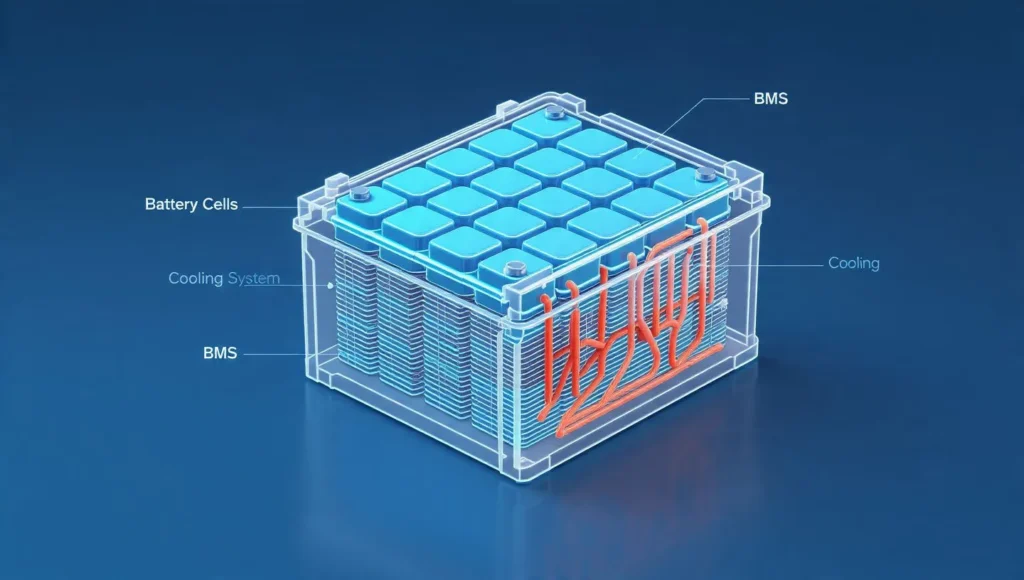
Forget the cars for a second. The battery news is where things get interesting.
Chinese manufacturers are shipping sodium-ion batteries in actual cars now. Not prototypes. Not “coming soon.” They’re in BYD Seagulls driving around Chinese cities today. These things are cheaper, work better in cold weather, and don’t require lithium. But good luck finding that story trending on tech news sites.
Meanwhile, solid-state batteries keep getting “5 years away.” I’ve been hearing that for… well, about 5 years now. Toyota swears they’ll ship them in 2027. I’m taking the under on that bet.
What actually matters:
- Current lithium batteries are good enough for most use cases
- Charging speeds keep improving (some new EVs can do 10% to 80% in under 20 minutes)
- The bottleneck isn’t battery tech anymore, it’s charging infrastructure
And that last point brings me to what I really want to talk about.
The Charging Infrastructure Problem Everyone’s Ignoring

I spent two hours last Tuesday helping a colleague plan a road trip in her new EV. Not because the range was bad (it wasn’t), but because figuring out which charging networks work with which cars is still a mess.
She’s got a Rivian. Supposedly can use Tesla Superchargers now with an adapter. Except some Superchargers aren’t enabled for non-Tesla vehicles yet. And the app shows them all as available. And some ChargePoint stations near her usual route have been broken for three months.
This isn’t a tech problem. It’s a coordination problem. And it’s the kind of thing that doesn’t make headlines but absolutely affects whether someone’s second EV purchase happens or not.
Real talk: If you’re looking at EV news, pay attention to charging partnerships and network expansions. That matters more than another press release about a concept car with a 500-mile range.
What’s Actually Selling (And Why)
The best-selling EVs right now aren’t the ones with the most impressive specs. They’re the ones that feel normal and have decent charging networks nearby.
Tesla’s losing market share not because their cars got worse, but because everyone else finally figured out how to build a decent EV. And in some cases (looking at you, Hyundai and Kia), they’re doing it cheaper with better warranties.
Ford’s F-150 Lightning is the most interesting case study. Fleet buyers love it. Individual buyers… not so much. Why? Because it’s expensive, and if you’re spending $70k on a truck, you want it to work like a truck. And EVs have some real limitations for towing long distances.
Nobody talks about this honestly. But I’ve watched three friends buy F-150 Lightnings for work (they love them) and one friend return his after trying to tow his boat on a weekend trip (he was not happy).
The Commercial EV Story Nobody Covers
You want to know where EVs are actually winning? Delivery vans and city buses.
Amazon’s got 10,000+ Rivian delivery vans running around now. FedEx is going all-electric for their urban routes. And city bus fleets are quietly converting because the math just works (predictable routes, overnight charging, no range anxiety).
This is probably the most important EV news trend, and it barely gets covered. Because it’s boring. No 0-60 times. No celebrity endorsements. Just economics that actually make sense.
The News You Should Actually Care About
Alright, let me tell you what I watch for when I’m scanning EV news:
Regulation changes: Some states are banning new gas car sales by 2035. That timeline keeps shifting, and it matters.
Manufacturing capacity: New battery plants, new assembly lines. This stuff is dry but it tells you what’s actually coming in 2-3 years.
Charging network deals: Ford got access to Tesla’s network. GM followed. Who’s next? This matters more than new car announcements.
Used EV prices: They’re dropping fast. That tells you something about demand and concerns about battery longevity.
Fleet adoptions: When UPS or USPS makes a move, that’s signal. When a random startup announces they’re going all-electric, that’s noise.
What I’m Watching Right Now
A few things on my radar that I think are legitimately interesting:
Chinese EVs: They’re crushing it on price and features. Politics aside, BYD just beat Tesla in global EV sales. The quality has gotten scary good, and they’re expanding into Europe aggressively. Whether they make it to the US market (they probably won’t) doesn’t change the fact they’re shaping where EV tech goes.
Battery recycling: Redwood Materials and others are finally making battery recycling economical. In a few years, this could change the economics of EV batteries completely. But it’s getting almost zero coverage.
Vehicle-to-grid tech: Your EV as a home battery backup. This should be standard by now but isn’t. Ford’s doing it with the F-150 Lightning. Others will follow. When they do, the value proposition for EVs changes significantly.
Sub-$25k EVs: Everyone’s trying to hit this price point. Whoever cracks it first in the US market wins. Period.
The Honest Limitations
Look, I’m not going to pretend EVs work for everyone. They don’t.
If you live in an apartment with no charging infrastructure, they’re tough. If you regularly do 300+ mile trips in cold weather, you’re going to have a bad time. If you tow heavy loads frequently, current EVs probably aren’t your answer.
The news articles that pretend these problems don’t exist do everyone a disservice. And the ones that pretend these are insurmountable forever are just as bad.
Where This Is Actually Heading
Based on what I’m seeing in the news and talking to people actually building this stuff:
Short term (next 2 years):
- More affordable models hitting the $30-35k range
- Better charging infrastructure, especially in cities
- More used EVs hitting the market at reasonable prices
- Fleet conversions accelerating
Medium term (3-5 years):
- Sub-$25k EVs that don’t suck
- Charging becoming almost as convenient as gas (in urban areas)
- Battery costs dropping another 30-40%
- Vehicle-to-grid becoming standard
Long term (5+ years):
- Solid-state batteries (maybe, finally)
- EVs become the default, not the alternative
- Used EV market maturing with known battery replacement costs
- Charging infrastructure reaching gas station levels of convenience
How to Actually Stay Informed
Here’s my honest take on following EV news:
Skip:
- Concept car announcements more than 2 years out
- “Tesla killer” articles (there’ve been dozens, none killed Tesla)
- Range anxiety pieces that haven’t been updated since 2019
- Anything that calls EVs “the future of transportation” without nuance
Follow:
- Manufacturing and production news
- Charging network partnerships and expansions
- Battery technology developments (actual shipping products)
- Fleet adoption announcements
- Regulation changes at state and federal levels
And honestly? The best EV news comes from people actually using them. Find some good EV owner forums or subreddits. That’s where you learn what the real problems and wins are.
The Bottom Line
EV news is exhausting because everyone’s got an angle. Traditional auto industry folks want to slow-roll it. EV evangelists want to pretend every problem is solved. And most tech bloggers just rewrite press releases.
The reality is more boring and more interesting at the same time. EVs are getting better steadily. They work great for a lot of use cases right now. They don’t work great for others. The infrastructure is improving but has gaps. The technology is maturing but still has room to grow.
That’s not as exciting as “EVs will save the world” or “EVs are a disaster.” But it’s actually true.
If you’re trying to stay informed on electric vehicles, focus on the practical stuff: charging infrastructure, battery costs, used car values, and actual production numbers. Skip the hype. Skip the doom. Watch what’s actually shipping and who’s actually buying.
And remember: the most important EV news is the stuff that affects whether your friend who just bought one is still happy with it six months later. Not the concept car that won’t exist for five years.
This article is part of our comprehensive guide on Latest Tech News and Trends. For more tech updates and insights, check out the full guide.
Related reads:
- Top Tech Innovations of 2025 – See where EVs fit in the bigger tech landscape
- Green Technology News – More on sustainable tech beyond just EVs
- Tech Investment News – Follow the money in EV startups and manufacturing