VR and AR Industry News: What’s Actually Happening Beyond the Hype
You know what’s wild? I remember testing my first VR headset back in 2018, nearly threw up after 20 minutes, and swore the technology wasn’t ready. Fast forward to last month, and I spent four hours straight in a virtual workspace without even noticing. Something changed.
Look, VR and AR have been “the next big thing” for what, a decade now? But here’s what’s different in 2025: the tech finally caught up to the promises. Not completely, mind you. But enough that I’m not rolling my eyes at every press release anymore.
The State of VR Right Now
Let me cut through the marketing BS. The VR market’s actually growing, and not just because Meta’s throwing billions at it. We’re seeing real applications beyond gaming. I’ve got a friend who’s a surgeon, and she’s using VR for practice procedures. That’s not a concept demo. That’s happening today.
Hardware That Doesn’t Suck (As Much)
The big shift? Weight and resolution. The latest headsets from Meta, Apple, and Sony are hitting that sweet spot where you can actually wear them for more than an hour. Apple’s Vision Pro dropped earlier this year with that insane 23 million pixel display. Is it worth $3,499? Hell no, not for most people. But the tech inside is legitimately impressive.
Meta’s Quest 3S launched at a way more reasonable price point, and honestly, for most use cases, it’s good enough. I tested one last week, and the mixed reality passthrough doesn’t make me feel like I’m looking through a security camera anymore. Progress.
What’s actually improved:
- Display resolution (4K per eye is becoming standard)
- Field of view (getting closer to human vision)
- Tracking accuracy (hand tracking that doesn’t make you want to throw the headset)
- Weight distribution (still not perfect, but bearable)
AR Glasses: Still Waiting for the iPhone Moment
Here’s where I’m still skeptical. AR glasses promise to blend digital info with the real world, and yeah, that sounds great. In practice? We’re not there yet.
I tried the latest Ray-Ban Meta smart glasses. They’re fine for taking photos and listening to music, but calling them “AR” is generous. They’re smart glasses, not augmented reality. There’s a difference.
The real AR plays are coming from companies like Magic Leap (still somehow alive) and Snap with their Spectacles. But these are developer kits, not consumer products. I’ve talked to devs building for these platforms, and the common thread is: “Cool tech, no clear use case yet.”

Where AR Actually Works
Industrial applications, that’s where. I visited a warehouse last year where workers had AR headsets showing them exactly where to pick items. No more checking tablets or paper lists. The productivity gains were real. Something like 30% faster picking times.
Boeing’s been using AR for aircraft assembly for years now. Technicians see exactly where wires should go, overlaid on the actual plane. That’s not gimmicky, that’s useful.
The Content Problem Nobody Talks About
Here’s what frustrates me: the hardware’s getting better, but where’s the content? Gaming’s fine. Beat Saber’s still fun, Half-Life Alyx is incredible. But beyond games and basic productivity apps, the VR/AR content landscape is thin.
I spent an hour last night browsing the Quest store. After filtering out the shovelware and ports, there’s maybe 50 truly worthwhile experiences. That’s not enough.
What Actually Works in VR
Let me share what I’m actually using:
- Virtual Desktop for working (occasionally, when my neck doesn’t hurt)
- VRChat for the weirdest social experiences you’ll ever have
- Supernatural for workouts (this one’s legit good)
- Google Earth VR (still mind-blowing to fly over your childhood home)
For AR, it’s mostly practical stuff:
- IKEA’s AR app (placing furniture before buying actually works)
- Pokemon GO (yes, still, don’t judge me)
- Various industrial training simulations if you’re in manufacturing
The Business Side: Who’s Winning?
Meta’s dumping something like $15 billion a year into Reality Labs, and they’re still losing money. But they’re playing the long game. Apple jumped in with Vision Pro, positioning it as a “spatial computer” instead of just VR. Smart marketing, even if the price is insane.
Sony’s quietly doing well with PSVR2 for gaming. Microsoft mostly gave up on consumer AR after HoloLens 2, focusing on enterprise instead. Probably the right call, honestly.
Recent market moves worth noting:
- Apple’s Vision Pro shipped in February 2025, reviews are mixed
- Meta lowered Quest 3 prices again, clearly trying to grab market share
- ByteDance (TikTok’s parent company) is developing a headset, because of course they are
- Several Chinese manufacturers are flooding the market with budget options
What’s Coming Next
Based on what I’m seeing at conferences and in dev circles, here’s what’s actually on the horizon:
Lighter headsets: We’re talking sub-200 grams for VR, maybe even 100 grams for AR glasses. That’s the tipping point for all-day wear.
Better passthrough: Full-color, high-res passthrough is coming. Mixed reality where you can’t tell what’s real and what’s virtual. Creepy? Maybe. Cool? Definitely.
Neural interfaces: Meta’s working on EMG wristbands that read nerve signals. You think about moving your hand, the VR hand moves. I tested an early version. It’s weird, but it works.
Practical AR glasses: I’m talking actual sunglasses-sized AR that doesn’t look ridiculous. 2026, maybe 2027. That’s my bet.
The Reality Check
I’ll be real with you. VR and AR are getting better, but they’re not replacing screens anytime soon. I’ve seen too many “VR will replace monitors” takes. It won’t. Not for years.
What will happen? They’ll carve out specific use cases where they’re genuinely better than alternatives. Gaming, training simulations, remote collaboration (sometimes), virtual events. That’s where the growth is.
The stuff that’s actually changing:
- More businesses testing VR for training (cheaper than flying people around)
- AR maintenance guides becoming standard in manufacturing
- Virtual meetings that don’t completely suck (compared to Zoom fatigue)
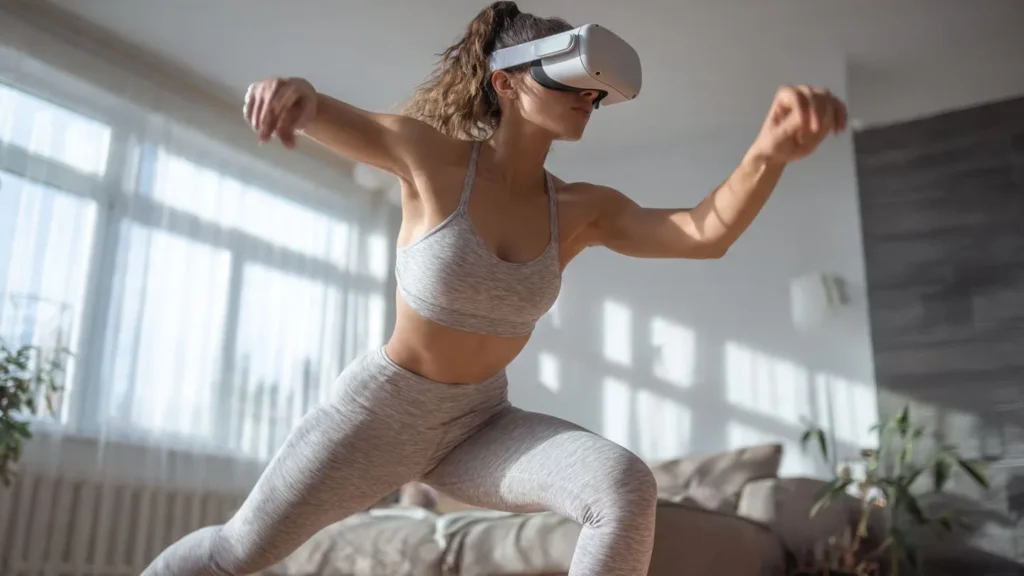
- Fitness applications that make working out less boring
Common Mistakes I Keep Seeing
People jump into VR expecting Ready Player One. That’s not happening. The tech’s impressive, but it’s not magic. You’ll still get motion sick if you’re sensitive to it. The headsets will still leave marks on your face. Your eyes will still get tired.
Also, don’t buy the cheapest headset you find on Amazon. I made that mistake. Spent $200 on a no-name brand that gave me a headache in 10 minutes. Stick with known manufacturers. Meta, Sony, Valve, or if you’ve got money to burn, Apple.
For AR, don’t expect smartphone replacement. That’s years away, if ever. Current AR glasses are supplements, not replacements.
Keeping Up with the News
This industry moves fast. What’s true today might be outdated in three months. I follow a few sources that actually cut through the hype:
The main VR/AR subreddits have decent signal-to-noise ratios. Upload VR and Road to VR cover the serious news without too much fluff. And yeah, I check what Meta and Apple are announcing, even if I take it with a grain of salt.
For deeper dives into the technology and comprehensive coverage of everything happening in this space, check out our complete guide on latest tech news and trends.
If you’re interested in how AI is intersecting with VR/AR (it is, in weird ways), we’ve got updates on AI news and breakthroughs that are shaping these immersive technologies.
What You Should Actually Do
If you’re curious about VR, rent or borrow a headset first. Meta Quest 3S is the best entry point right now at $299. Don’t spend thousands until you know you’ll actually use it.
For AR, wait. Unless you need it for work, current AR glasses aren’t worth buying yet. Check back in 2026.
Keep an eye on the gaming industry news since gaming drives a lot of VR innovation, and watch for tech product launches from the major players.
The Bottom Line
VR and AR are finally getting interesting. Not revolutionary, not world-changing yet. But interesting. The hardware’s reaching a point where it’s usable, and the software is slowly catching up.
I’m cautiously optimistic. Which, coming from someone who’s been burned by tech hype before, is saying something.
Will we all be wearing AR glasses in five years? Probably not. Will VR become a normal part of some people’s work and entertainment? Yeah, I think so. And honestly, that’s enough.
Just don’t expect miracles. Expect incremental improvements that occasionally add up to something genuinely useful. That’s what’s actually happening in VR and AR right now.
Related Reading: This article is part of our coverage on latest tech news and trends. For more on emerging technologies, check out our pieces on 5G technology updates, wearable technology trends, and quantum computing updates.