Robotics and Automation News: What’s Actually Happening Beyond the Hype
I’ve been following robotics news for years, and here’s what bugs me: every headline screams “ROBOTS TAKING OVER” while the actual story is usually “warehouse bot can now pick up slightly irregularly shaped boxes.”
Don’t get me wrong. Real progress is happening. But the gap between what companies announce and what actually ships? That’s gotten wider.
So let’s cut through the noise. Here’s what’s genuinely moving in robotics and automation right now, plus what it means for actual industries and people working in them.
The Warehouse Revolution Is Real (Finally)
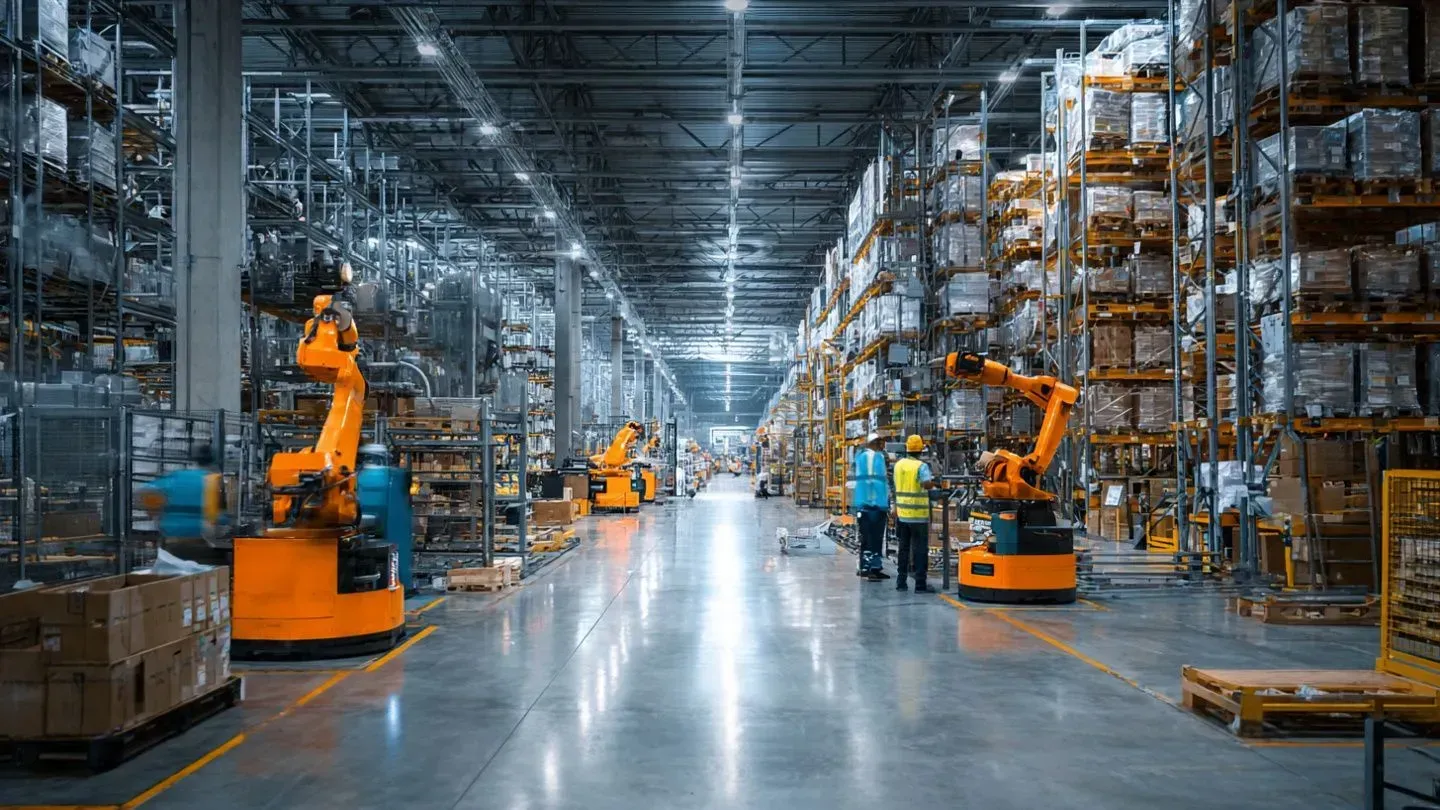
Remember when Amazon bought Kiva Systems back in 2012? Took them years to actually deploy those orange robots at scale. Now? Every logistics company is scrambling to catch up.
What’s changed: The robots got cheaper, and the software got way better. Companies like Locus Robotics and 6 River Systems are installing collaborative bots that work alongside human pickers. Not replacing them (yet), just making them faster.
I talked to a warehouse manager last month who said their pick rate went from 60 units per hour to 110 after adding collaborative robots. But here’s the catch: they still need humans for anything that’s not perfectly standardized. Those holiday gift baskets with random items? Still a person’s job.
Manufacturing Automation: The Boring Stuff That Actually Matters
Everyone wants to talk about humanoid robots doing backflips. Meanwhile, industrial robot arms got 40% cheaper in the last five years, and SMEs are finally buying them.
The real story is cobots (collaborative robots). Universal Robots and others have made it possible for a mid-size manufacturer to automate without hiring a robotics engineer or rebuilding their entire factory floor.
What this looks like in practice: A machine shop in Ohio can now afford a $35k cobot that handles repetitive drilling tasks. The owner I spoke with said installation took two days, not two months. That’s the shift that matters.
But you know what nobody tells you? Programming these things still sucks if you’re not technical. The “easy drag-and-drop interfaces” work great for demos, not so much when you need to handle exceptions or integrate with existing systems.
Autonomous Vehicles: Commercial Before Consumer
Self-driving cars for consumers? Still years away, regardless of what Elon tweets.
But autonomous trucks for closed routes and mining vehicles? That’s shipping now. Rio Tinto has been running autonomous haul trucks in Australian mines since 2018. Caterpillar, Komatsu, they’re all in.
The pattern is clear: automation works first in controlled environments with high stakes and good mapping. Open roads with unpredictable humans? That’s a harder problem than anyone wanted to admit.
Recent development worth watching: Autonomous port vehicles are taking off. Rotterdam, Singapore, Long Beach are all deploying automated container movers. It makes sense. Ports are giant, structured environments with repetitive tasks. Perfect use case.
AI + Robotics: Where It Gets Interesting
Here’s where things get wild. Older industrial robots were basically “move arm to position X, repeat forever.” New ones are using computer vision and ML to handle variability.
I saw a demo last year where a robot learned to assemble a new product variant in 30 minutes instead of requiring two days of manual programming. The secret? Vision systems that could recognize parts and adapt grip strategies on the fly.
Companies leading this space:
- Boston Dynamics (yeah, the backflipping dog) is actually selling Spot for industrial inspection
- Covariant is doing AI-powered picking for logistics
- Robust.AI is building cognitive architecture for robots (their CEO worked on ROS, so they know what they’re doing)
But real talk: most of this is still expensive and finicky. You need good lighting, clean environments, and a decent tech team. It’s not plug-and-play yet.

The Labor Question Nobody Wants to Address
Every robotics article dances around this: what happens to the workers?
The honest answer is complicated. Some jobs disappear. Others change. New ones get created, but they require different skills.
I’ve seen this firsthand. A friend who managed a warehouse team of 50 now manages a team of 20 people and 30 robots. The remaining workers? They’re monitoring systems, handling exceptions, and doing maintenance. Better jobs, actually. But there’s definitely fewer of them.
What’s helping: Some companies are retraining workers instead of just laying them off. Amazon’s been doing upskilling programs (cynical take: they can’t hire enough people anyway, so might as well train them). Siemens and ABB have apprenticeship programs for robot technicians.
Is it enough? Probably not. But it’s more than nothing.
Medical Robotics: Slow and Steady Progress
Surgical robots like da Vinci have been around since 2000. What’s new is that they’re getting more capable and spreading to more procedures.
Recent developments:
- CMR Surgical launched Versius, a smaller, more flexible surgical robot
- Intuitive Surgical is expanding beyond urology and gynecology into more specialties
- Auris Health (bought by J&J) is doing robotic bronchoscopy
But here’s what the press releases don’t mention: hospitals are still figuring out the economics. These systems cost millions. They need to do a LOT of procedures to justify the investment.
The real innovation might be in rehabilitation and assistance robots. Devices helping stroke patients relearn motor skills, or assisting elderly people with daily tasks. Less sexy than surgery, but probably bigger impact long-term.
Agricultural Automation: Actually Happening
You want to see real-world robotics impact? Look at farms.
Autonomous tractors have been commercially available for years (John Deere, Case IH). Now we’re seeing specialized robots for harvesting, weeding, and monitoring crops.
Why farms are perfect for robots:
- GPS works great in open fields
- Tasks are repetitive and seasonal
- Labor shortages are real and getting worse
- Farmers will pay for anything that saves them money
Companies like Blue River Technology (bought by Deere) use computer vision to spray weeds individually instead of blanket-spraying entire fields. Saves 90% on herbicides. That’s the kind of ROI that makes automation inevitable.
The Infrastructure Nobody Talks About
Here’s what limits robotics more than technology: infrastructure.
You can build the smartest warehouse robot in the world, but if the facility was designed in 1987 with weird floor layouts and bad lighting, good luck deploying it. Most automation projects fail because of operational challenges, not technical ones.
Same with 5G for robot communication, edge computing for real-time processing, standardized APIs between systems. The boring infrastructure stuff determines what actually gets deployed.
What’s Next: My Take
Based on what I’m seeing, here’s where things are headed:
Short term (next 2 years):
- More collaborative robots in manufacturing
- Autonomous vehicles in controlled environments (ports, warehouses, mines)
- AI-powered picking and packing becoming standard
- Continued slow progress in consumer applications
Medium term (3-5 years):
- Humanoid robots might actually become useful for simple tasks
- Mobile manipulation (robot that can navigate AND manipulate objects) gets commercialized
- Agricultural automation becomes widespread
- Healthcare robots move beyond surgery into elder care
Long term (5+ years):
- General-purpose robots that can handle multiple tasks
- Full warehouse automation (goodbye, most picking jobs)
- Autonomous delivery actually works in cities
- Household robots that don’t suck
But I’ve been wrong before. I thought warehouse automation would take over faster than it did. Turned out humans are still really good at dealing with chaos and exceptions.
How to Actually Follow This Space
If you want to stay updated beyond breathless press releases, here’s what I read:
- IEEE Spectrum Robotics – actual technical coverage
- The Robot Report – industry news and funding rounds
- Company blogs from Boston Dynamics, NVIDIA (robotics division), ABB
- Academic papers from top robotics labs (CMU, MIT, ETH Zurich)
- Podcasts: Robohub, Sense Think Act by Audrow Nash
Skip most mainstream tech news. They’ll run the same “robots are coming” story with different photos every month.
The Reality Check
Look, robotics is advancing. But it’s not magic, and the progress is uneven. Some applications work great right now. Others are still 10 years away despite what the demos show.
The biggest barriers aren’t technical anymore. They’re economic (ROI calculations), operational (integrating with existing systems), and social (what do we do about displaced workers?).
If you’re thinking about robotics for your business: start small, pick a specific pain point, and be realistic about implementation time. Every robotics deployment I’ve seen takes 2-3x longer than planned.
If you’re worried about your job: learn about the robots. Seriously. The people who understand both the human work and the automation system become invaluable. They’re the ones who’ll still be employed, just doing different things.
This article is part of our comprehensive guide on Latest Tech News and Trends. For broader tech updates and analysis, check out the full guide.
Related articles you might find useful:
- AI News and Updates – See how AI is driving robotics innovation
- Tech Startups to Watch – Emerging robotics companies worth tracking
- Tech Investment News – Where the money’s flowing in automation
- Emerging Technology Trends – What’s coming next in tech