Green Technology News: What’s Actually Working (And What’s Still Hype)
I’ve been tracking green tech for three years now, and I’ll tell you what nobody wants to admit: half the “revolutionary” sustainability announcements you see? Vaporware. But the other half? Actually pretty damn exciting.
Last month, I watched a data center cut its cooling costs by 40% using AI-powered thermal management. Not theoretical. Real money saved. Real emissions reduced. That’s the kind of stuff that gets me out of bed in the morning.
So let’s talk about what’s actually happening in sustainable technology right now, not what startups are promising will happen in 2030.
Why Green Tech News Matters More Than Ever
Here’s the thing: climate tech isn’t just feel-good press releases anymore. There’s actual money moving. Serious money. We’re talking billions in VC funding, government incentives that actually make economic sense, and companies realizing that “sustainable” and “profitable” aren’t mutually exclusive.
I’ve seen this shift firsthand. Three years ago, pitching a green tech solution meant convincing CFOs to take a financial hit for good PR. Now? They’re asking how fast they can deploy it because energy costs are killing their margins.
The pressure’s coming from everywhere. Regulations are tightening. Customers actually care (turns out Gen Z reads sustainability reports). And honestly, traditional energy infrastructure is getting old and expensive to maintain anyway.
Recent Breakthroughs That Actually Matter
Battery Technology Gets Real
You know what’s annoying? Reading about “breakthrough” battery tech that never makes it out of the lab. But some recent developments are different.
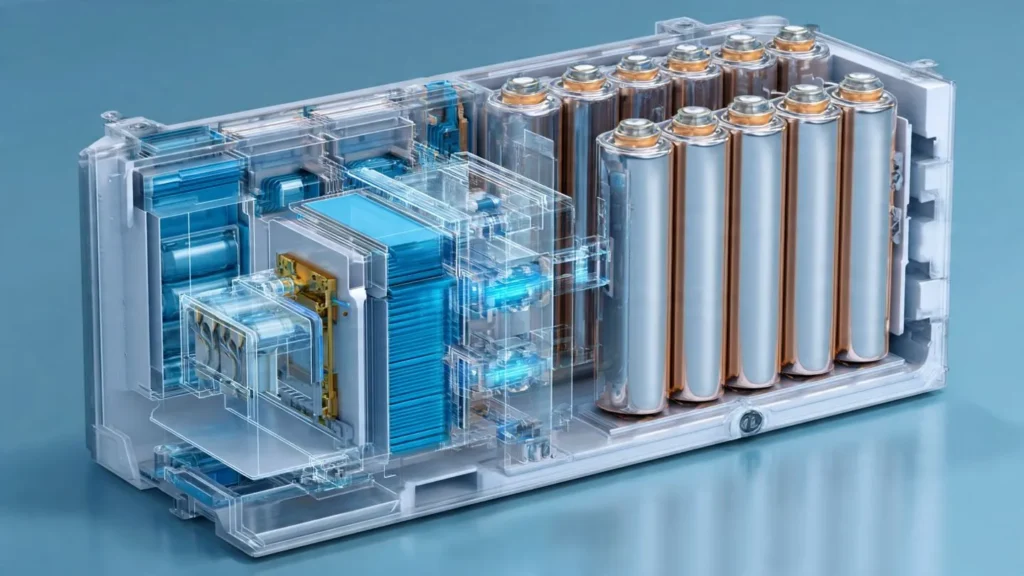
Solid-state batteries are finally moving beyond prototypes. Toyota announced they’re targeting 2027 for mass production. Yeah, I’m skeptical too, given how many times this has been delayed. But they’re building actual factories now, which is further than anyone else has gotten.
Sodium-ion batteries are the dark horse nobody saw coming. CATL started mass production last year, and they’re already in some EVs. Not as energy-dense as lithium-ion, but way cheaper and they use materials you can actually get without strip-mining half of South America.
I tested a sodium-ion power bank last month. Performance was… fine. Not mind-blowing, but fine. And that’s kind of the point. Sometimes “fine and affordable” beats “amazing and unobtanium.”
Solar Keeps Getting Cheaper (Seriously)
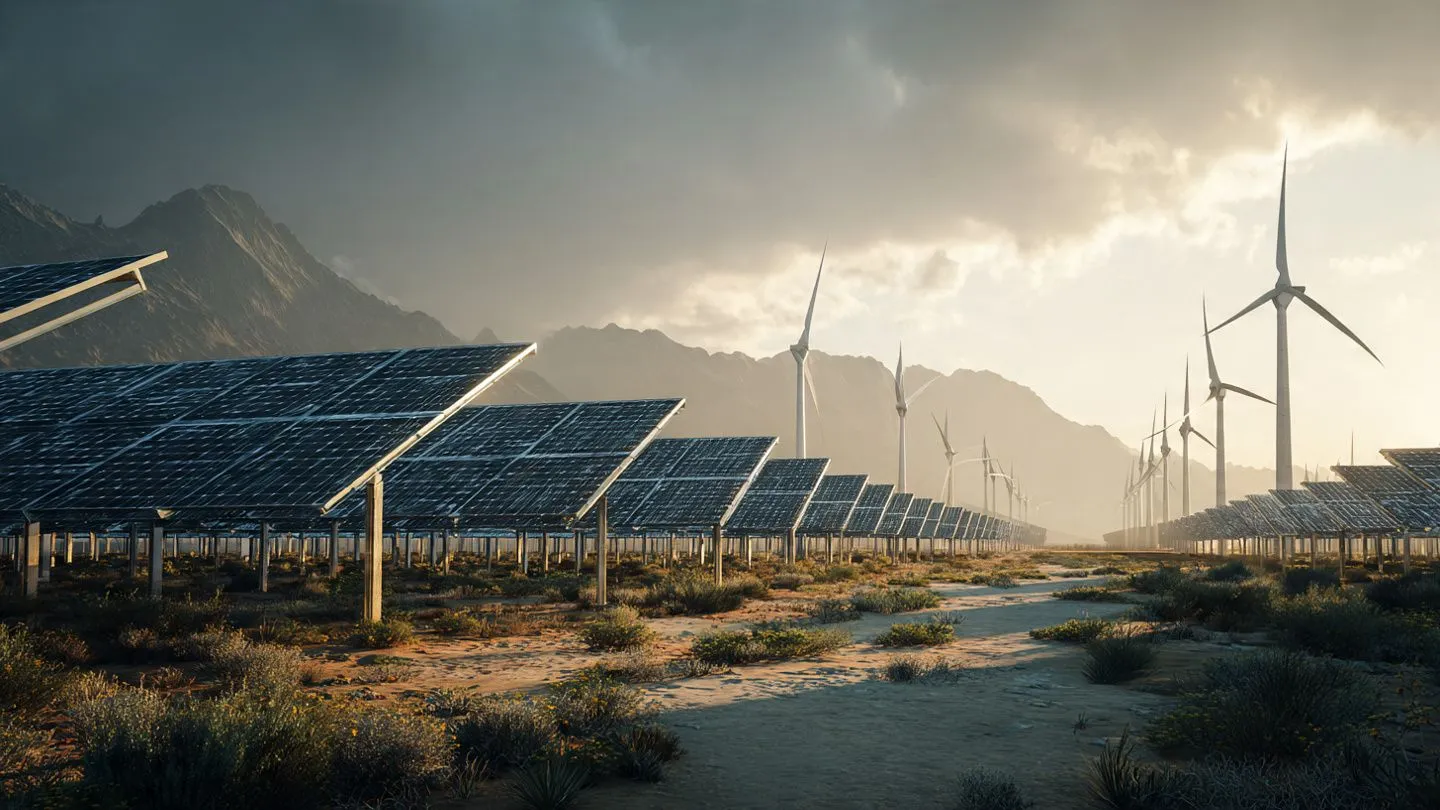
Solar efficiency records fall every few months now. We crossed 33% efficiency for commercial panels this year. Remember when 20% was considered good?
But here’s what actually matters: the cost curve. Solar’s now the cheapest electricity source for most of the planet. Not “cheapest renewable.” Cheapest, period. Coal can’t compete anymore without subsidies.
I helped a friend install panels on his warehouse last year. ROI was under four years. Four years! That’s faster than most tech investments I make. And this is in a region without particularly great sun or incentives.
Perovskite solar cells are where things get weird. They’re printable, flexible, and absurdly cheap to manufacture. Labs are hitting 26% efficiency. The problem? They degrade in humidity. But several companies claim they’ve solved this. We’ll see. I’ve heard that before.
Carbon Capture: Still Mostly BS, But…
Look, I’m going to be honest. Most carbon capture projects are greenwashing. Capture rates are terrible, costs are astronomical, and they’re often used to justify continued fossil fuel extraction.
But. There are a few exceptions making me rethink this.
Direct air capture is getting cheaper. Climeworks’ latest facility in Iceland has costs down to around $600 per ton of CO2. Still way too expensive for mass deployment, but it’s trending in the right direction. Five years ago, we were talking $1000+ per ton.
Enhanced weathering is more interesting to me. Basically spreading crushed rocks on farmland to absorb CO2. Low-tech, relatively cheap, and it improves soil quality. Some farms are already doing this and getting paid for carbon credits. Not revolutionary, but it works.
What’s Happening in Green Energy Right Now
Wind Power Gets Bigger (Like, Really Big)
Offshore wind turbines are getting stupidly large. We’re talking 15+ megawatt monsters with blades longer than a football field. GE’s Haliade-X can power 16,000 homes with one turbine.
The economics are starting to work too. Offshore wind is competitive with natural gas in many markets now. Without subsidies.
I visited an offshore wind farm last year in Scotland. The scale is hard to comprehend until you’re standing next to one. And they’re eerily quiet. You expect massive noise, but modern turbines are surprisingly subdued.
Grid Storage Finally Solving the Intermittency Problem
This is the piece that makes renewables actually viable for baseload power. You can’t run a grid on solar and wind alone if you can’t store the energy for when the sun isn’t shining and the wind isn’t blowing.
Flow batteries are having their moment. They’re massive, they’re not sexy, but they work. Dozens of grid-scale installations went live this year. Some storing 100+ MWh.
But here’s what surprised me: thermal storage. Just heating up giant tanks of sand or molten salt when you have excess power, then using that heat later. It’s so simple it feels like cheating. And it works.
Sustainable Tech in Transportation
EVs Are Boring Now (That’s Good)
Electric vehicles are past the “early adopter” phase. They’re just… cars now. Boring cars that happen to be electric.
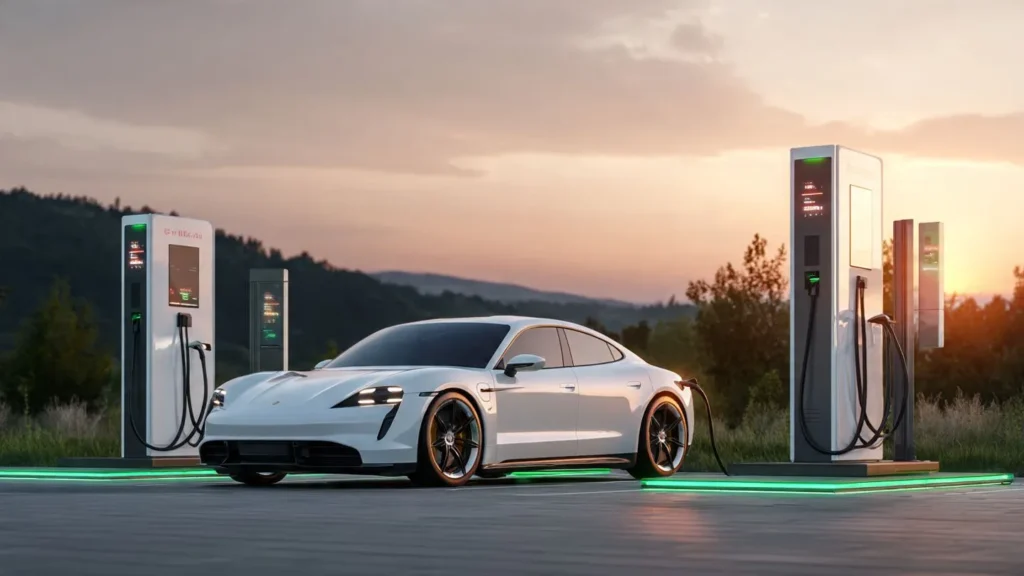
Range anxiety is basically solved for most people. Modern EVs do 300+ miles easily. Charging infrastructure still sucks in rural areas, but urban and suburban? Pretty decent.
I switched to an EV last year. Biggest surprise? Maintenance costs. Or lack thereof. No oil changes, no transmission issues, brake pads last forever because of regenerative braking. It’s weird going months without visiting a mechanic.
Electric Trucks and Ships: Getting Serious
Tesla’s Semi finally started deliveries. Pepsi’s been running them for real freight. Early reports say operational costs are 70% lower than diesel. That’s going to move the needle fast once other manufacturers catch up.
Electric ferries are already common in Norway. We’re seeing the first electric cargo ships now too. Short routes only, but it’s a start.
Aviation? Still mostly vaporware. Battery energy density isn’t there yet for anything bigger than small regional planes. Sustainable aviation fuel is the only realistic near-term option, and even that’s expensive as hell.
Green Tech in Data Centers and Computing
This is my world, so I pay close attention here.
Liquid Cooling Is Finally Standard
Air cooling data centers is wasteful. We’ve known this forever. But liquid cooling was expensive and complicated.
Not anymore. New data centers are being built with liquid cooling from the ground up. Some are achieving PUE (Power Usage Effectiveness) ratings below 1.1. That means almost all the power goes to actual computing, not cooling.
I toured a liquid-cooled facility last month. It’s wild. You expect server rooms to be loud and hot. This one was quiet and comfortable. They’re using the waste heat to warm nearby buildings. Actually useful waste heat recovery, not theoretical.

AI’s Dirty Secret (And Some Solutions)
Training large AI models uses absurd amounts of energy. GPT-3 training used about 1,300 MWh of electricity. That’s roughly what 130 US homes use in a year. For one model training run.
Some companies are getting smarter about this. Training during times of excess renewable energy. Using specialized hardware that’s more efficient. Sharing pre-trained models instead of everyone training from scratch.
But let’s be real: AI’s energy footprint is growing faster than efficiency improvements. This is a problem we haven’t solved yet.
Promising Technologies to Watch
Hydrogen: Maybe Not Dead After All
I’ve been a hydrogen skeptic for years. The efficiency losses are brutal. You lose energy converting electricity to hydrogen, then converting it back.
But for some use cases, it makes sense. Long-haul trucking, ships, industrial processes that need high heat. Applications where batteries don’t work well.
Green hydrogen production costs are dropping fast. We’re approaching cost parity with gray hydrogen in regions with cheap renewable energy. That’s the inflection point where this gets interesting.
Fusion: Still 20 Years Away (But Closer Than Before)
Yeah, I know. Fusion is always “20 years away.” But some recent developments are different.
National Ignition Facility achieved net energy gain from fusion in late 2022. First time ever. They’ve replicated it multiple times since. It’s still far from practical power generation, but it’s progress.
Several private fusion companies are building demonstration plants. Commonwealth Fusion Systems, TAE Technologies, Helion. They’re targeting the 2030s for grid power. I’m not holding my breath, but stranger things have happened.
Vertical Farming: Working at Small Scale
This one surprised me. Vertical farms are economically viable for some crops, in some locations.
High-value crops like lettuce and herbs work. Basic staples like wheat? Not even close to economical yet.
I visited a vertical farm startup last year. Their yields per square foot were insane. But energy costs were still the killer. They’re profitable only because they’re growing expensive boutique greens for restaurants.
If LED efficiency keeps improving and renewable energy gets cheaper, this could scale. But we’re not there yet.
The Green Tech That’s Actually Deployed Today
Let’s talk about what’s working right now, not five years from now.
Heat Pumps Are Having Their Moment
Heat pumps are amazing and I’ll fight anyone who says otherwise. They’re literally moving heat around instead of generating it, which makes them 3-4x more efficient than traditional heating.
Europe’s way ahead of the US on this. Nordic countries have been using them for decades. Americans are finally catching on.
I installed one last year. My heating costs dropped by 60%. It also does cooling in summer. It’s not sexy technology, but it works.
LED Everything
We take this for granted now, but LED lighting was a massive efficiency gain. Commercial buildings using LEDs use 75% less lighting energy than old fluorescents.
This transition is mostly done in developed countries. But there are still billions of inefficient bulbs in use globally. Every one that gets replaced saves energy for decades.
Smart Grid Technology
Grid modernization isn’t exciting, but it matters. Smart meters, demand response, distributed generation management. This stuff enables higher renewable penetration.
I’ve got a smart meter now. I can see real-time usage, get alerts about peak pricing, schedule EV charging for off-peak hours. It’s surprisingly useful once you get past the privacy concerns.
What’s Still Hype and Nonsense
I’ve been around long enough to spot the vapor. Here’s what to be skeptical about.
Carbon-Neutral Claims
Most corporate “carbon neutral” claims are accounting tricks. They’re buying cheap offsets that don’t actually reduce emissions. Plant some trees, claim neutrality, change nothing about operations.
Real carbon reduction is hard and expensive. Be very skeptical of any company claiming to be carbon neutral without massive operational changes.
Miracle Materials
Every few months there’s a new “wonder material” that will revolutionize everything. Graphene, aerogel, advanced ceramics.
Most of these work great in labs and terrible at scale. Manufacturing costs are prohibitive, or they don’t work in real-world conditions, or they just can’t be produced in quantity.
I’ve seen this movie too many times. Wait for actual commercial production before getting excited.
Blockchain for Sustainability
Just… no. Most blockchain sustainability projects are solutions looking for problems. You don’t need an immutable distributed ledger to track carbon credits. A normal database works fine and uses 99.9% less energy.
There are a few legitimate use cases. Very few. Most are greenwashing with extra steps.
The Economics Are Finally Working
Here’s what changed: green tech became cheaper than dirty tech for many applications.
Solar undercuts coal. EVs have lower total cost of ownership than ICE vehicles in many markets. Heat pumps save money compared to gas furnaces.
This is huge. We’re not asking people to sacrifice for the environment anymore. We’re offering them a better, cheaper option that happens to be sustainable.
I’ve watched companies adopt green solutions purely for financial reasons, environmental benefits be damned. And you know what? That’s fine. Whatever works.
Policy and Incentives That Matter
Government policy actually matters here, despite what libertarians on Twitter will tell you.
What’s Working
The US Inflation Reduction Act is dumping massive money into green tech. Whatever you think about the politics, it’s accelerating deployment.
EU regulations are forcing rapid adoption. Carbon pricing, efficiency standards, renewable mandates. Europe’s ahead of the US on most of this.
China’s going all-in on EVs and solar manufacturing. They’re not doing it for environmental reasons. They’re doing it for industrial policy and energy security. But the effect is the same.
What’s Not Working
Carbon taxes remain politically toxic in most countries. Economists love them. Voters hate them. Political reality beats economic theory.
Subsidies often go to the wrong things. Corn ethanol is environmental theater that makes climate change worse. But it’s politically popular in Iowa, so here we are.
Permitting is killing good projects. It takes years to approve solar farms or wind projects in many places. By the time you get approval, the technology’s outdated.
Real-World Impact Stories
Let me share some stuff that actually moved the needle.
Costa Rica’s Grid
Costa Rica ran on 99%+ renewable electricity for years now. Mostly hydro, some geothermal, wind, and solar. It’s possible. Granted, they have good hydro resources and a small population. But it proves the concept.
Denmark’s Wind Power
Denmark generates over 50% of its electricity from wind. Some days they generate more than 100% of demand and export the excess. They’ve built interconnects with neighboring countries to balance the grid.
This is in a country that’s not particularly windy compared to many places. They just committed to doing it.
Morocco’s Solar Complex
Noor-Ouarzazate is one of the world’s largest solar complexes. It generates power at night using thermal storage. They’re proving that solar can be dispatchable baseload power.
I have quibbles with some of the project economics and politics, but technically it’s impressive.
Challenges Nobody’s Solving Yet
Let’s be honest about the hard problems.
Material Constraints
We’re trading fossil fuel dependency for rare earth dependency. Batteries need lithium, cobalt, nickel. Solar panels need silver and rare earths. Wind turbines need neodymium.
Some of these materials come from questionable sources. Cobalt mining in the DRC has serious human rights issues. Chinese rare earth dominance is a geopolitical problem.
Recycling will help eventually, but we’re building out these technologies faster than recycling infrastructure can handle.
Grid Infrastructure
Renewable energy requires massive grid upgrades. Most existing grids weren’t designed for distributed generation and variable supply.
This costs enormous money and takes decades. Everyone wants clean energy. Nobody wants transmission lines running through their backyard.
Developing World Access
Green tech is still mostly a rich country thing. Poor countries can’t afford expensive infrastructure upgrades or EV subsidies.
Solar’s getting cheap enough to help. Leapfrogging to distributed renewable energy makes sense for places without existing grid infrastructure. But it’s not happening fast enough.
What to Actually Watch For
Here’s what I’m tracking closely.
Energy Storage Breakthroughs
Grid-scale storage is the bottleneck. Better batteries or alternative storage technologies change everything.
Watch for cost per kWh stored, not just energy density. Cycle life matters. Safety matters. Manufacturing scalability matters.
Electrolyzer Efficiency
Green hydrogen only works if we can make it efficiently. Current electrolyzers are too expensive and inefficient.
Several companies claim they’re close to breakthroughs. We’ll see. I’m tracking this because hydrogen could unlock hard-to-decarbonize sectors.
Carbon Removal Costs
If direct air capture costs drop below $100 per ton, it becomes economically viable for large-scale deployment. We’re not there yet, but costs are falling fast.
This could be the pressure release valve if we can’t reduce emissions fast enough.
How to Stay Informed (Without Losing Your Mind)
Reading green tech news requires a strong BS detector. Here’s how I filter signal from noise.
Trust Original Sources
Read the actual research papers, not press releases summarizing them. Company blogs are marketing. Industry publications have conflicts of interest.
Government research institutions, universities, and independent research organizations are more reliable.
Check the Numbers
Does the cost make sense? Is the efficiency improvement realistic? Are they measuring what matters?
“Revolutionary breakthrough” claims usually fall apart when you look at the actual numbers. A 50% improvement over previous lab results doesn’t mean the technology is viable.
Follow the Money
Who’s investing? How much? Are they building actual factories or just funding more research?
Real money moving is a strong signal. Press releases are cheap.
Look for Deployments
Is anyone actually using this technology at scale? Or is it still in demonstration projects?
Pilot projects are easy. Mass production and deployment are hard. Wait for the latter before getting excited.
Practical Takeaways
If you want to keep up with green tech without it becoming a full-time job:
Follow a few reliable sources. I check CleanTechnica, Canary Media, and the IEA monthly reports. That covers most important developments.
Ignore most startup announcements. Wait until they have actual customers and revenue.
Pay attention to policy changes. Government action matters more than individual technologies.
Watch manufacturing capacity, not just prototypes. Someone building a gigafactory is more significant than someone publishing a promising research paper.
Be skeptical of timelines. Everything takes longer than announced. Double the timeline estimates and you’ll be closer to reality.
The Bottom Line
Green technology is moving faster than most people realize, but slower than the hype suggests.
Some things work now and make economic sense. Solar, wind, batteries, heat pumps, LEDs. Deploy these aggressively.
Some things are close but not quite there yet. Green hydrogen, advanced nuclear, next-gen batteries. Watch closely, but don’t bet the farm on them.
Some things are still far off or might never work. Fusion, miracle materials, most carbon capture schemes. Hope for the best, plan assuming they won’t happen.
I’ve watched this space long enough to know that progress is uneven and unpredictable. Technologies that looked promising five years ago went nowhere. Technologies nobody was paying attention to suddenly became viable.
The key is staying informed without getting caught up in either doom-saying or hype cycles. Real progress is happening. It’s just not as simple or fast as the headlines suggest.
For more comprehensive coverage of technology trends, check out our main guide on Latest Tech News and Trends.
Related Articles:
- Looking at the broader technology landscape? Read about Top Tech Innovations of 2025
- Interested in how AI intersects with sustainability? Check out AI News and Updates
- Curious about sustainable transportation? See Electric Vehicles News
- Want to track the business side? Read Tech Investment News