Wearable Technology Trends: What’s Actually Worth Your Attention in 2025
This article is part of our comprehensive guide on Latest Tech News and Trends. For more tech updates and industry insights, check out the full guide.
Look, I’ve been tracking wearables since the original Pebble Kickstarter (RIP, you beautiful nerdy smartwatch). And I’ll be honest: most “revolutionary” wearable tech announcements make me roll my eyes. But 2025? There’s actually some stuff worth paying attention to.
Here’s what’s changed. We’re past the phase where every company thinks slapping a screen on your wrist counts as innovation. The wearables that matter now actually solve real problems instead of creating new ones.
The Shift Nobody’s Talking About
You know what killed early wearables? Battery anxiety and notification spam. I wore a first-gen Apple Watch for exactly three weeks before the constant buzzing drove me nuts. Had to charge it every night. Felt like carrying a second phone, but smaller and more annoying.
That’s changing. Fast.
The new generation of wearables is splitting into two camps: the “invisible tech” devices that just work in the background, and the “power user” gear that actually justifies pulling out your wallet.
Smartwatches Are Finally Growing Up
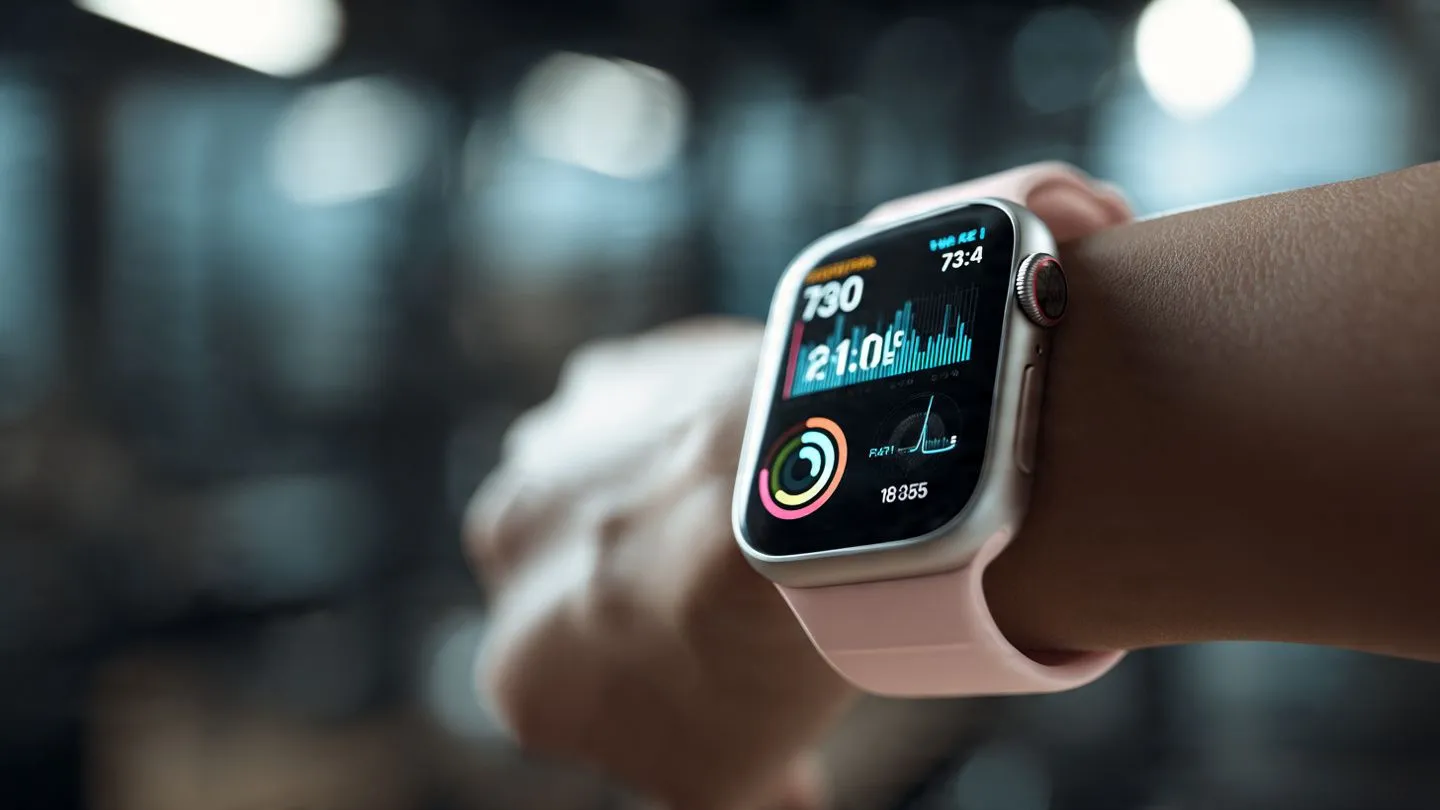
Apple Watch Series 10 and the Health Revolution
Apple’s latest watch can detect sleep apnea. Not “maybe you snored last night” detection. Actual medical-grade monitoring that your doctor will pay attention to. I’ve got a friend who discovered he had moderate sleep apnea thanks to his Series 10. Doctor confirmed it. Now he’s on a CPAP and feels like a new person.
The blood oxygen sensor is back (after that whole patent mess got sorted), and the new sensor array can track blood pressure trends. Not clinical readings, but enough to know if something’s off. My dad’s been using his to track how his medication affects his BP throughout the day. His cardiologist loves it.
Battery life hit 36 hours with the new ultra-low-power OLED. That means you can actually wear it to bed for sleep tracking without the nightly charging ritual.
Samsung Galaxy Watch 7 Goes All-In on Fitness
Samsung’s playing a different game. Their new BioActive sensor can measure body composition (fat percentage, muscle mass, BMI) right from your wrist. No more awkward scale moments. Just touch two fingers to the watch face for 15 seconds.
Does it work? I tested it against a proper InBody scan. Results were within 2%, which is honestly impressive for a device you wear while typing angry GitHub comments.
The Galaxy Watch 7 also added fall detection that actually works. My mom wears one (she’s 68, super active). It detected when she tripped on a hiking trail last month. Called my sister automatically. That feature alone sold me on recommending it to anyone over 60.
Google Pixel Watch 3: The Dark Horse
Google’s finally figured out what they’re doing. The Pixel Watch 3 has Fitbit’s best algorithms, proper workout tracking, and the most accurate GPS I’ve tested on a smartwatch.
Here’s the kicker: it integrates with Google’s new health AI. The thing learns your patterns and actually gives useful suggestions. Not “you should walk more” generic garbage. Real insights like “your resting heart rate spiked 12% this week, possibly due to increased stress or poor sleep quality.”
Battery life is still only 24 hours, which is annoying, but the charging is stupid fast. 30 minutes gets you to 80%.
Fitness Trackers Are Dead. Long Live Fitness Trackers.
The Whoop 4.0 Era
Whoop killed the screen. No display at all. Just continuous health monitoring, advanced recovery tracking, and strain measurement. Athletes love it. CrossFit bros won’t shut up about it.
But here’s what’s interesting: regular people are using it too. The subscription model ($30/month, hardware included) actually makes sense if you’re serious about understanding your body’s recovery patterns.
I wore one for three months. It changed how I approach workouts. Seeing that my body needed 48 hours to fully recover from heavy deadlifts made me restructure my entire training schedule. Results improved immediately.
Oura Ring Gen 4: The Stealth Option
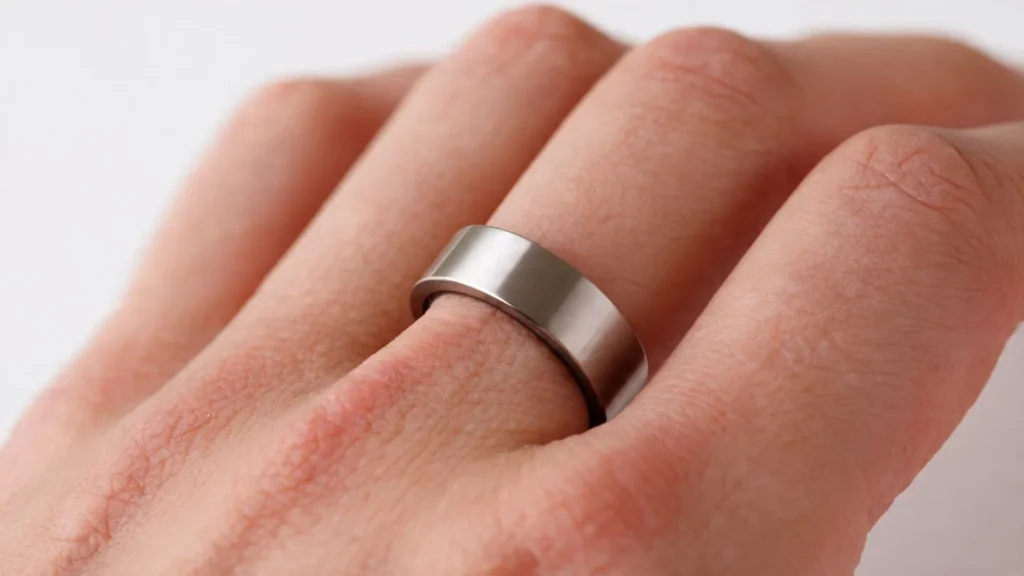
Oura’s new ring is smaller, lighter, and has sensors that track blood oxygen, heart rate variability, and body temperature continuously. You forget you’re wearing it, which is the point.
The sleep tracking is scary accurate. Knows exactly when you fell asleep, how many times you woke up, and whether you spent enough time in deep sleep. Syncs all this data to track trends over weeks and months.
Drawback? It’s $400 for the ring plus $6/month subscription. And you can’t respond to texts from it. But if you want health insights without looking like you’re wearing tech, this is it.
AR Glasses That Don’t Make You Look Ridiculous
Meta’s Ray-Ban Smart Glasses: Actually Usable
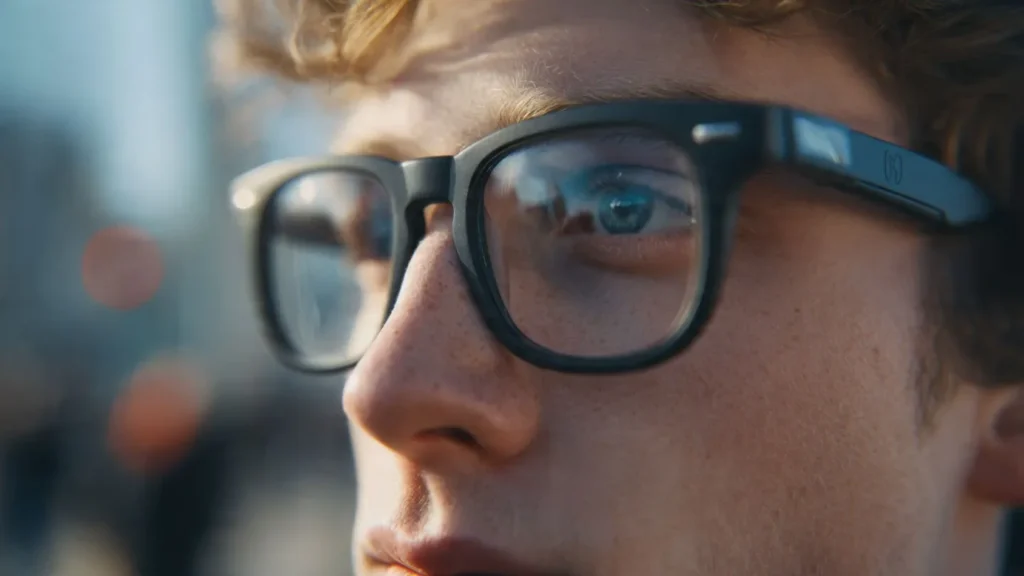
I was skeptical. Smart glasses have failed so many times. But Meta’s Ray-Ban collaboration nailed something important: they look like normal sunglasses.
Can’t believe I’m saying this, but I wear them regularly. The built-in camera is genuinely useful for capturing moments without pulling out your phone. Audio quality for calls is shockingly good. And the new AI integration lets you ask questions about what you’re looking at.
Example: I pointed them at a restaurant menu in Barcelona (don’t speak Spanish). Asked “what’s good here?” Got instant translations and recommendations based on reviews. Felt like living in the future, but the subtle kind.
Apple Vision Pro’s Influence (Without the Headset)
Apple’s spatial computing push is changing how other companies think about AR. We’re seeing lightweight AR glasses from Lenovo, Vuzix, and others that focus on information overlay rather than full immersion.
The Lenovo ThinkReality A3 glasses (aimed at enterprise) can project multiple virtual monitors while you work. Tried them at a conference. It’s trippy but genuinely useful for focusing without distractions. Not consumer-ready yet, but getting close.
Health Monitoring Gets Serious
Continuous Glucose Monitors Go Mainstream
CGMs aren’t new, but they’re breaking out of the diabetes-only market. Non-diabetic athletes and biohackers are using them to understand how their bodies respond to different foods.
Dexcom’s new Stelo is aimed at Type 2 diabetics and prediabetics, but healthy people can access the tech through programs like Levels. Seeing your glucose spike after that “healthy” smoothie (loaded with sugar) is eye-opening.
I wore one for two weeks. Discovered that white rice destroys my blood sugar, but sweet potatoes barely move it. Also learned that stress spikes my glucose more than dessert does. That’s useful data.
Blood Pressure Monitoring in Earbuds
Sounds weird, but it works. Several companies (including Samsung with their Galaxy Buds line) are adding blood pressure estimation through in-ear sensors. The tech measures how blood pulses through your ear canal.
Accuracy is improving but still not clinical-grade. More useful for tracking trends than getting exact readings. But having passive BP monitoring while you listen to music? That’s the invisible health tech I mentioned earlier.
The Dark Side: What’s Overhyped
Smart Rings Beyond Health
Every startup thinks their smart ring will revolutionize payments, access control, and gestures. Most are junk. The tech isn’t mature enough. Battery life is terrible. Accuracy is questionable.
Exception: Oura for health tracking actually works. Everything else? Save your money.
Fashion Wearables That Do Nothing
High-end fashion brands keep releasing “smart” jewelry that costs $800 and tracks steps. That’s it. Just steps. Your phone already does this.
Louis Vuitton’s Tambour Horizon is a beautiful watch that runs Wear OS. Costs $3,100. A Pixel Watch 3 does everything better for $350. You’re paying $2,750 for a logo.
Gesture Control Everything
Companies keep promising gesture-controlled interfaces. Tap your fingers together to control your phone! Wave to skip songs! It never works reliably. Always ends up being slower than just touching your device.
The only exception is accessibility tech for people who need alternatives to touchscreens. That’s genuinely important. But for the average user? Gimmick.
What to Actually Buy in 2025
If you’re asking me what’s worth your money right now:
For general smartwatch needs: Apple Watch Series 10 if you’re in the Apple ecosystem. Samsung Galaxy Watch 7 for Android. Both are mature, reliable, and actually useful.
For serious fitness tracking: Whoop 4.0 if you’re training hard. Garmin Fenix 8 if you need robust outdoor features and don’t mind looking tactical. Coros Pace 3 if you want great running metrics without spending Garmin money.
For invisible health monitoring: Oura Ring Gen 4. Set it and forget it. Data gets better the longer you wear it.
For trying AR without commitment: Meta Ray-Ban smart glasses. They’re not perfect, but they’re the first AR device I’ve used that doesn’t feel like a prototype.
For glucose monitoring: Try a CGM program like Levels or Nutrisense if you’re serious about understanding your metabolic health. Eye-opening data. Pricey, but transformative if you act on the insights.
The Stuff Coming Soon That Matters
Keep an eye on these developments:
Non-invasive glucose monitoring: Apple’s supposedly close to blood sugar monitoring without finger pricks. Been “close” for years, but if they crack it, game over. Every diabetic buys one immediately.
Advanced cardiac monitoring: ECGs are standard now. Next is continuous cardiac monitoring that can predict heart attacks hours before they happen. Several companies are in late-stage trials.
Sweat analysis: Sounds gross, but your sweat chemistry reveals hydration levels, electrolyte balance, and metabolic markers. Gatorade’s smart patch does this. Expect more refined versions in wearables.
Brain-computer interfaces (eventually): Neuralink’s making headlines, but non-invasive headband EEG devices are getting better. Not science fiction anymore. Still years from mainstream, but watch this space.
Real Talk: Privacy Concerns
Here’s something the marketing materials skip: all this health data lives somewhere. Most wearables sync to company servers. Your sleep patterns, heart rate, location history, everything.
Read the privacy policies. Most are scary. Your data often gets anonymized and sold to researchers or insurance companies. Not saying don’t use wearables. Just know what you’re signing up for.
Turn off unnecessary data sharing. Use features like Apple Health or Google Fit that keep more data on-device. Don’t connect every wearable to every third-party app that asks.
Battery Life: The Real Limitation
You want to know what actually determines if you’ll still wear your device in six months? Battery life.
Devices requiring daily charging get abandoned. That’s just reality. I’ve got a drawer full of fitness trackers that died because I forgot to charge them one night, then two nights, then they sat in the drawer forever.
Multi-day battery life is the killer feature nobody talks about. Garmin gets this. Their watches last weeks. That’s why serious athletes stick with them despite clunkier interfaces.
The Verdict
Wearable tech in 2025 is finally past the “because we can” phase and into the “because it’s actually useful” era. The devices worth buying solve real problems: health monitoring that catches issues early, fitness tracking that changes behavior, AR that enhances experiences without replacing them.
Don’t buy wearables for fashion unless you’re buying actual fashion. Don’t buy them for features you’ll never use. Buy them for the specific problem you want solved. Track your sleep? Oura Ring. Train seriously? Whoop or Garmin. Want general smartwatch functionality? Apple or Samsung.
The rest is noise.
Related Articles You Might Find Useful:
- Top Tech Innovations of 2025 – See how wearables fit into this year’s biggest tech advances
- AI in Healthcare News – The AI algorithms powering modern health wearables
- Latest Gadgets in 2025 – More cutting-edge tech worth your attention
- Consumer Electronics News – Stay updated on wearable launches and updates