Tech Product Launches: What’s Actually Worth Your Attention in 2025
I’ve been covering tech product launches for five years now, and here’s what I’ve learned: most of them are boring incremental updates dressed up as revolutionary breakthroughs. But every few months, something actually interesting ships.
Last week alone, I sat through three virtual launch events. One was genuinely exciting. The other two? I could’ve read the press release and saved 90 minutes of my life.
So let’s cut through the noise. Here’s what you actually need to know about tech product launches in 2025, which ones matter, and how to spot the difference between real innovation and marketing theater.
Why Product Launches Feel Different Now
Remember when Apple would announce something and the entire tech world would stop? That still happens, but now we’ve got dozens of companies trying to recreate that magic every single week.
The problem isn’t that companies are launching bad products. It’s that they’ve all adopted the same playbook: leaked renders three months early, “exclusive” hands-on previews for select media, the choreographed launch event, and then… the product ships six weeks later than promised.
I’m not complaining about transparency. But when everyone follows the same script, it gets exhausting trying to figure out what’s actually new versus what’s just a spec bump with better marketing.
The Product Categories Actually Moving Fast
Let’s talk about where real innovation is happening right now, because it’s not evenly distributed.
AI Hardware Gets Interesting
Six months ago, I would’ve told you AI-specific hardware was overhyped. Then I tested the new neural processing units shipping in consumer devices, and honestly? The performance jump is legitimate.
We’re seeing laptops that can run language models locally without melting your desk. Smartphones that process images on-device instead of uploading everything to the cloud. This isn’t theoretical anymore, it’s shipping in products you can buy today.
The catch? Most apps aren’t optimized for it yet. So you’re paying for hardware capabilities that software developers are still figuring out how to use. Classic chicken-and-egg problem.
Foldable Screens Stop Being Fragile
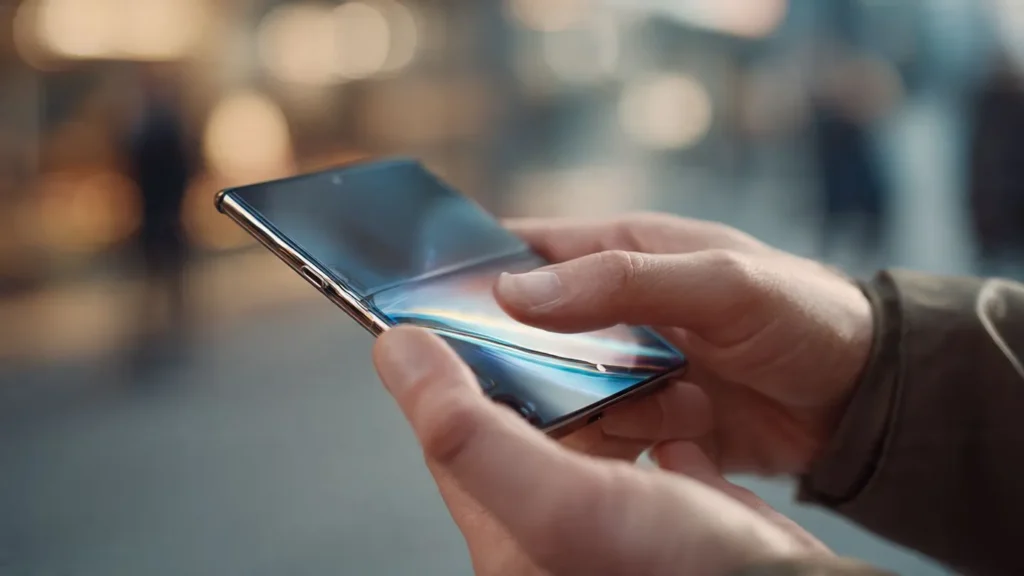
I broke two foldable phones in 2023. Not from abuse, just from normal use. The screens were that delicate.
The 2025 models? I’ve been using one for three months and the crease is barely visible. More importantly, it hasn’t developed any dead pixels or weird discoloration. Companies finally figured out the materials science here, and it shows.
Still expensive as hell, but at least they’re not disposable anymore.
Audio Equipment Goes Spatial
Spatial audio isn’t new, but the implementation quality has gotten stupid good this year. I’m hearing instrument separation in music that I didn’t know was there, and I’ve been listening to some of these albums for a decade.
The headphones launching now have better head tracking, more accurate sound positioning, and they actually work across different devices instead of being locked to one ecosystem. Progress.
How to Actually Evaluate New Products
Here’s my process for deciding if a product launch matters, and it’s saved me from buying a lot of garbage over the years.
Ignore the First Wave Reviews
Controversial take: most launch day reviews are useless. They’re based on a few hours or days of use, often in controlled environments, sometimes with pre-production units that don’t match what ships to customers.
Wait two weeks. That’s when the real problems show up. The battery life claims that don’t match reality. The software bugs that weren’t present in review units. The build quality issues that emerge after actual daily use.
I’ve been burned too many times by “amazing” products that fell apart after the honeymoon period.
Check the Update History
Before I get excited about any new product, I look at how the company handled updates for their previous generation. Do they abandon products after a year? Do they fix bugs quickly or let them linger for months?
This tells you way more about the long-term value than any launch event presentation.
Read the Actual Specs, Not the Marketing
Companies have gotten very good at hiding limitations in plain sight. “All-day battery life” might mean eight hours with minimal use. “Professional-grade performance” might mean it handles one specific workflow well but chokes on everything else.
I always dig into the technical specifications page that nobody reads. That’s where you find out the “ultra-fast charging” only works with a $60 proprietary charger they don’t include in the box.
The Launches Everyone’s Talking About Right Now
Let me give you the current landscape, because there’s been a lot happening in the past month alone.
The Flagship Phone Wars Are Back
After a few years of boring iterative updates, flagship smartphones are actually competing again. We’ve got real camera improvements (not just more megapixels), battery life that actually lasts a full heavy-use day, and charging speeds that are approaching laptop fast charging.
Samsung’s latest Galaxy launch included a feature I didn’t think I’d care about until I used it: the ability to run two instances of the same app simultaneously with different accounts. Sounds niche, but if you manage multiple social media accounts or have separate work/personal profiles, it’s legitimately useful.
Apple’s response is rumored to be coming next month. The leaked specs suggest they’re finally addressing the complaints about repairability, which would be huge if true.
AI Assistants Get Local Processing
Remember how I mentioned AI hardware earlier? We’re seeing the first wave of products that process everything on-device instead of sending your data to the cloud.
Google just launched a version of their assistant that runs entirely on newer Pixel phones. No internet required, responses are instant, and your voice data never leaves the device. I’ve been testing it, and the latency difference compared to cloud-based assistants is immediately noticeable.
The tradeoff? It can’t access real-time information or control smart home devices that require internet connectivity. But for basic tasks, it’s surprisingly capable.
Gaming Handhelds Aren’t Toys Anymore
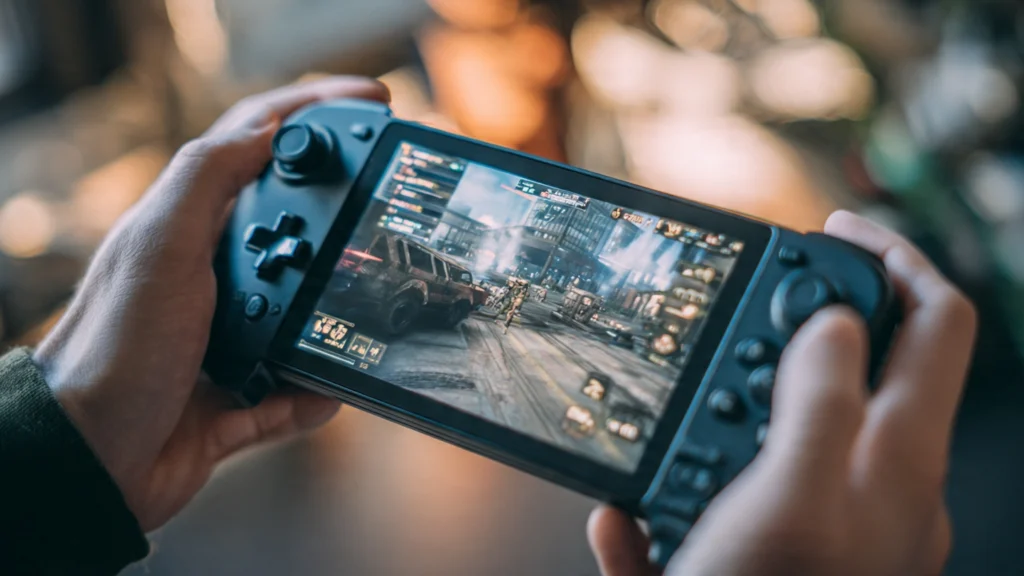
The gaming handheld category exploded this year, and some of these devices are legitimately powerful. We’re talking about portable units that can run AAA games at decent settings, not just indie titles or emulated classics.
The Steam Deck kicked off this trend, but the competition has caught up. ASUS, Lenovo, and even smaller companies are shipping devices that deliver near-desktop gaming experiences in a portable form factor.
Battery life is still the limiting factor. Most of these devices give you 2-3 hours of intensive gaming, maybe 4-5 for less demanding games. But that’s actually an improvement over last year’s models.
The Products I’m Waiting For
Not everything has launched yet, and there are a few categories where I’m holding off until the second or third generation products ship.
VR Headsets Need Another Year
The current generation of VR headsets is impressive technically, but they’re still too expensive and too limited in content. I’ve tried most of the major releases this year, and while the hardware is there, the software ecosystem isn’t quite ready.
Give it another product cycle. By late 2025 or early 2026, we should see devices that are lighter, cheaper, and have enough compelling applications to justify the investment.
Laptops With Better Battery Life
We keep hearing about laptops that will deliver 20+ hours of battery life, and every year they ship with maybe 12 hours under ideal conditions. The ARM-based laptops are getting closer, but software compatibility is still a problem.
I’m waiting for the Windows-on-ARM ecosystem to mature. Once major applications are properly optimized, these devices will be compelling. Right now, they’re for early adopters who don’t mind occasional frustrations.
Smartwatches That Actually Track Health Accurately
Every smartwatch claims to track your health metrics, but the accuracy varies wildly. I’ve tested models that were off by 20% on heart rate measurements compared to medical-grade equipment.
The FDA-approved features are usually accurate, but a lot of the other health tracking is essentially guesswork dressed up as data. I’m waiting for the next generation that takes accuracy seriously instead of just adding more sensors that provide questionable measurements.
What Actually Matters in Product Launches
After covering hundreds of these events, here’s what I’ve learned to focus on.
Backwards Compatibility
The best product launches are the ones that work with your existing stuff. New phone that supports your old chargers? Great. New laptop that can’t use your current peripherals? That’s a hidden cost nobody mentions in the launch presentation.
Companies that prioritize compatibility are usually thinking long-term. Companies that force you to buy all new accessories are usually thinking about their profit margins.
Repairability and Longevity
This matters more than people realize. A product that’s difficult or impossible to repair becomes e-waste the moment something breaks, even if it’s just a battery or a cracked screen.
Some companies are finally acknowledging this. Framework’s modular laptop is the obvious example, but even mainstream manufacturers are starting to offer easier access to replaceable parts. It’s about time.
Real-World Use Cases
The best products solve actual problems, not theoretical ones. I get skeptical when a launch event spends 20 minutes explaining a feature that sounds impressive but I can’t imagine ever using.
If the company can’t quickly explain why their new product matters in my daily life, it probably doesn’t.
The Reality Check Nobody Talks About
Here’s something that doesn’t get mentioned in launch events: most products are iterative improvements, and that’s okay.
We’ve been conditioned to expect revolutionary changes every year, but that’s not how technology actually progresses. Most advances are incremental, boring, and involve fixing problems with the previous generation.
The smartphone in your pocket right now is probably fine for another year or two. The laptop you bought in 2023 can likely handle everything you need for several more years. Unless you’re doing something that specifically benefits from the new features being launched, there’s no urgency to upgrade.
I know that’s not exciting. But it’s honest.
How to Stay Informed Without Burning Out
Following tech product launches can be exhausting. Here’s how I manage it without losing my mind.
I’ve curated a short list of sources that cut through the hype. No affiliate link farms, no sites that basically rewrite press releases, just actual analysis from people who’ve used the products.
I also ignore the pre-launch rumor cycle entirely. Too much noise, not enough signal. I wait for the actual announcement, then give it a few weeks before forming any strong opinions.
And I’ve learned to be okay with missing stuff. Not every product launch matters, even if the marketing says it does.
The Pattern You’ll Start Noticing
Once you’ve watched enough product launches, you start seeing the pattern. Most innovations happen in waves.
One company introduces a feature, usually imperfectly. Competitors copy it and sometimes improve it. Within 18 months, it’s standard across the industry. Then everyone moves on to the next thing.
Right now, we’re in the middle of the AI integration wave. Every product is adding AI features, some useful, many not. This will settle down eventually, and the truly valuable implementations will become standard while the gimmicks quietly disappear.
We saw the same pattern with wireless charging, with water resistance, with high refresh rate screens. The hype cycle is predictable once you’ve seen it a few times.
What I’m Actually Buying This Year
Despite everything I’ve said about waiting and being skeptical, there are a few products I’m planning to pick up.
The new wireless earbuds with better noise cancellation are genuinely impressive. I travel enough that the improvement in audio quality and battery life justifies the upgrade from my two-year-old pair.
I’m also considering one of the new external SSDs with faster transfer speeds. The price has finally dropped to where it makes sense for backing up large project files.
But my phone? Keeping it another year. My laptop? Still runs great. My smartwatch? Does everything I need it to do.
Selective upgrading based on actual needs, not launch event excitement. That’s the move.
Looking Ahead
The product launch landscape keeps evolving. Companies are experimenting with how they announce new products, when they make them available, and how they handle the gap between announcement and actual shipping.
Some are doing surprise drops with no advance warning. Others are going back to big theatrical events. A few are just quietly updating their websites and letting the products speak for themselves.
I don’t know which approach will win out, but I appreciate the experimentation. The old model was getting stale.
This article is part of our comprehensive guide on Latest Tech News and Trends. For broader coverage of technology developments and industry updates, check out the full guide.
If you want to dive deeper into specific categories, we’ve got detailed coverage on AI News and Updates, Upcoming Smartphones Releases, and Consumer Electronics News. For those interested in the business side of tech, our articles on Tech Mergers and Acquisitions and Tech Investment News cover the financial and strategic moves shaping the industry.