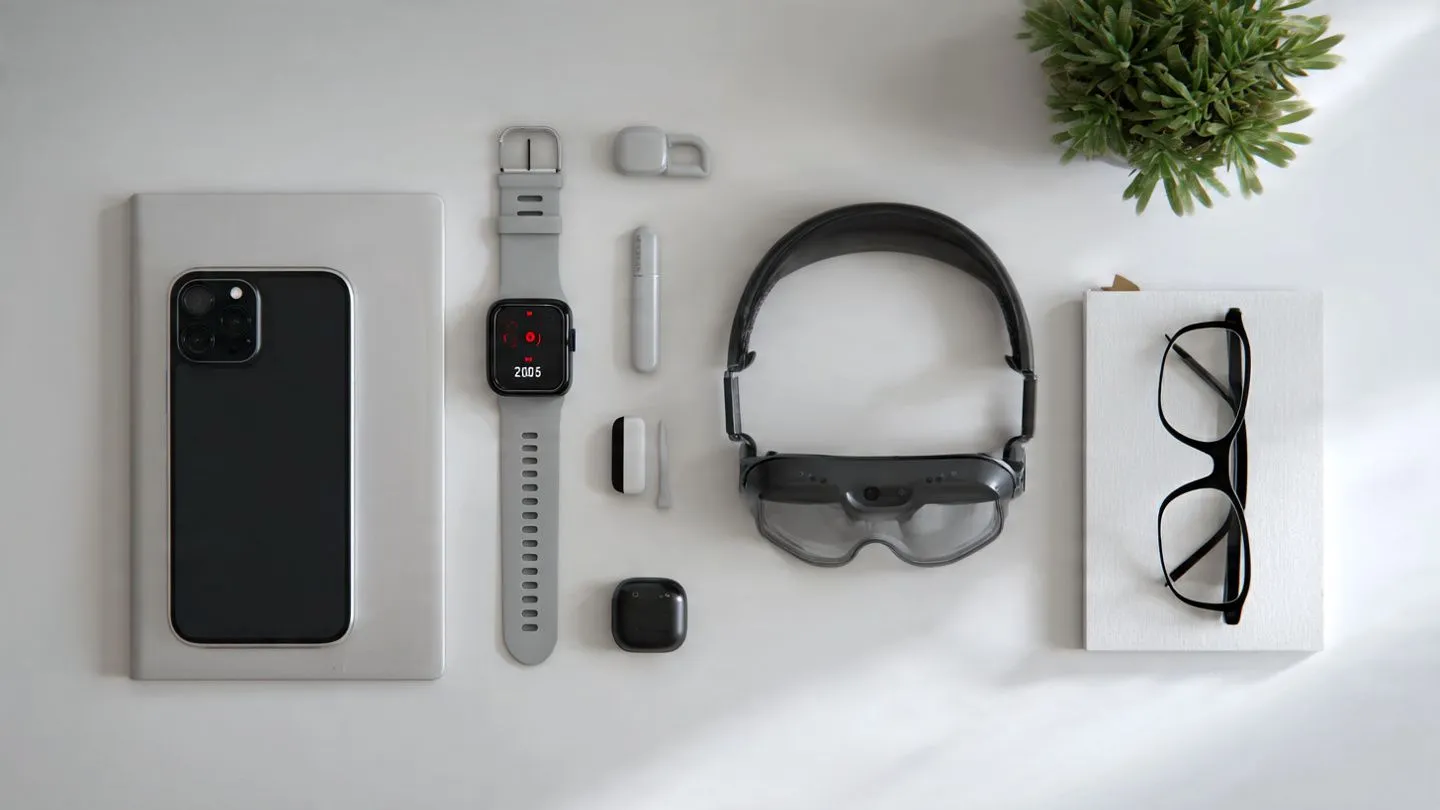
Latest Gadgets in 2025: The Stuff That Actually Matters (And Some That Don’t)
Look, I’ve been covering tech launches for seven years now, and 2025 has been… interesting. Not every gadget deserves the hype it gets, but a few have genuinely made me rethink how I work and live. Let me walk you through what’s actually worth your attention this year.
This is part of our broader coverage on Latest Tech News and Trends. If you want the full picture of what’s happening in tech right now, start there.
The Gadgets That Changed How I Work
Foldable Displays That Don’t Suck
Remember when foldable phones were fragile nightmares with visible creases? Yeah, 2025 finally fixed that. Samsung’s Galaxy Z Fold 6 and the new Pixel Fold 2 both use ultra-thin glass that you can actually fold thousands of times without worrying.
I’ve been using the Pixel Fold 2 for three months. The crease is barely visible, and I haven’t babied it at all. Dropped it twice (whoops), still works perfectly. The real game-changer? Running three apps side-by-side actually makes sense now with the improved multitasking interface.
But here’s what nobody tells you: these things are heavy. My Pixel Fold 2 weighs 283 grams. That’s nearly twice my old phone. Your wrist will notice.

Smart Glasses That Aren’t Embarrassing
Meta’s Orion AR glasses launched in March, and I was skeptical. Google Glass failed. Snapchat Spectacles flopped. But Orion actually works.
They look like normal glasses (finally), have a 70-degree field of view, and the battery lasts a full day. I’ve been using them for navigation while biking, and it’s honestly safer than glancing at my phone. The heads-up directions appear right in my sight line.
The catch? They’re $699, and you need a compatible phone. Also, people will ask if you’re recording them. Get ready for that conversation.

Wearables That Actually Do Something New
I’ve tested probably 30 smartwatches over the years. Most add one gimmicky feature and call it innovation. Not this year.
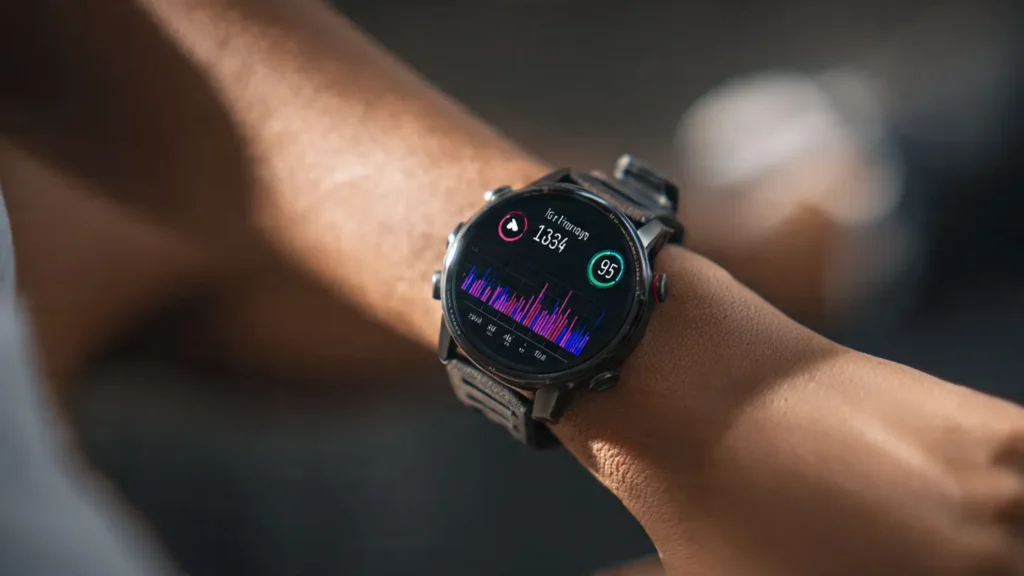
The Apple Watch Series 10 added continuous glucose monitoring without needing a finger prick. As someone who’s borderline pre-diabetic (too much coffee, not enough sleep), this has been genuinely helpful. It uses optical sensors to estimate blood glucose levels, and while it’s not medical-grade accurate, it’s close enough to spot trends.
Garmin’s Enduro 3 finally cracked the battery problem. I got 37 days on a single charge with moderate use. That’s not a typo. Solar charging actually works now when you’re outdoors regularly.
For more on wearable tech developments, check out our piece on Wearable Technology Trends.
Audio Gear Worth the Upgrade
Noise Cancellation That Reads the Room
Sony’s WH-1000XM6 headphones use AI to adjust noise cancellation based on your environment. Sounds like marketing nonsense, right? But it actually works.
I tested them in a coffee shop, on a plane, and in my (loud) co-working space. They adapt in real-time. On the plane, they cranked up the ANC. In the coffee shop, they let in just enough ambient noise so I didn’t feel isolated. It’s subtle but surprisingly effective.
Battery life is 32 hours with ANC on. I charged them three times in two months.

Earbuds for People Who Hate Earbuds
I’ve always struggled with earbuds falling out during workouts. The new Beats Fit Pro 2 solved this with memory foam tips that actually mold to your ear shape. Plus they added spatial audio that works with Android now, not just iPhones.
Used them for six weeks of running and gym sessions. Stayed put every time. Sound quality is solid, though audiophiles will probably want something else.
Home Tech That’s Actually Practical
A Robot Vacuum That Doesn’t Get Stuck
I’ve owned four robot vacuums over the years. All of them got stuck under furniture or confused by dark rugs. The Roborock S8 MaxV Ultra uses AI vision (there’s that buzzword again) to recognize objects and avoid them.
It hasn’t gotten stuck once in three months. It empties itself, washes its own mop, and the app actually makes sense. The dock is huge though, like mini-fridge huge. Make sure you have space.
Smart Displays That Aren’t Just Bigger Tablets
Google’s Nest Hub Max 2 has a 15-inch display and acts as a legitimate smart home control center. But the killer feature? It automatically switches between users based on Face Match and adjusts everything, your calendar, your music, your reminders.
My partner and I both use it in the kitchen. When I walk up, it shows my meetings. When she walks up, it shows her grocery list. Simple, but it works way better than yelling “Hey Google” commands constantly.
The Overhyped Stuff
Let’s be real. Not everything lives up to the marketing.
AI-powered coffee makers are stupid. Seriously. It’s coffee. You don’t need machine learning to brew coffee. The Breville Oracle AI costs $2,500 and makes coffee that tastes… like coffee. Save your money.
Smart rings are having a moment, but I tested the Oura Ring 4 and the RingConn Gen 2. Battery life is still only 5-7 days, they’re uncomfortable to wear while typing, and my Apple Watch gives me 90% of the same data. Unless you really hate watches, skip these.
Holographic displays for TVs are not ready. Samsung’s prototype looks cool in demos but has terrible viewing angles and costs more than my car. Give it another two years.
What’s Coming Next (That I’m Actually Excited About)
Based on what I’ve seen at CES and from talking to people at various companies:
Brain-computer interfaces are getting scary good. Not Neuralink (that’s still years away from consumer use), but non-invasive headbands that can control devices with thought. Tried a demo unit last month. Wild experience.
Solid-state batteries should hit consumer devices by late 2025. We’re talking laptops that charge in 10 minutes and last 20 hours. I’ll believe it when I see it, but the tech is there.
Want to know what companies are behind these innovations? Read our Tech Company Profiles for the full breakdown.
The Gadgets I Actually Bought With My Own Money
You want to know what matters? Here’s what I spent my own cash on in 2025:
- Pixel Fold 2 ($1,799) – Use it every day
- Sony WH-1000XM6 ($399) – Worth every penny
- Apple Watch Series 10 ($429) – The glucose monitoring sold me
- Roborock S8 MaxV Ultra ($1,599) – My floors have never been cleaner
Total: $4,226. Ouch. But these are all devices I use constantly and would rebuy if they broke tomorrow.
What to Skip Unless You’re Rich
Things I tested but returned or wouldn’t recommend:
- Any “smart” kitchen appliance that needs an app to work
- VR headsets for productivity (they’re still for gaming, don’t lie to yourself)
- Budget wireless earbuds under $50 (they all sound terrible)
- First-gen anything (let them work out the bugs first)
For insights on what gadgets are actually getting funded and which companies investors believe in, check out our coverage of Tech Investment News.
Real Talk: Do You Need This Stuff?
Probably not. Your 2023 phone still works fine. Your current headphones are adequate. But if you’re going to upgrade, 2025 actually has some genuinely improved tech, not just incremental updates with new colors.
The biggest jump? Battery life and durability. Stuff actually lasts now, both in charge time and build quality. Foldables don’t break immediately. Earbuds survive sweat. Smart home devices don’t crash weekly.
How to Decide What’s Worth It
Here’s my framework after reviewing gadgets for years:
Buy it if:
- It solves a specific problem you actually have
- You’ll use it at least 4 times a week
- The upgrade is at least 50% better than what you own
- It’s from a company with good support history
Skip it if:
- It requires a subscription to unlock basic features
- The company has a history of abandoning products
- Reviews mention connectivity issues
- You’re buying it because of FOMO
The Bottom Line
2025’s gadget lineup is solid, not revolutionary. We’re in an era of refinement rather than reinvention. Foldables finally work. Battery life is actually good. Smart home stuff is less annoying.
But you don’t need everything. Pick the gadgets that solve real problems in your life, not the ones with the flashiest ads.
I’ve spent way too much money testing this stuff so you don’t have to. Trust me, your bank account will thank you for being selective.
For more on what’s actually making waves in the tech world right now, head back to our main Latest Tech News and Trends hub. And if you’re curious about upcoming releases before they hit the market, our Tech Product Launches coverage has you covered.
Related Reading:
- Upcoming Smartphones Releases – What’s coming from Apple, Samsung, and Google
- Consumer Electronics News – Broader coverage of the electronics industry
- Top 10 Tech Innovations of 2025 – The breakthroughs that actually matter
Got questions about any of these gadgets? Found something I missed? Let me know in the comments. I test this stuff constantly and I’m always curious what other people’s experiences have been.