AI in Marketing: How Machines Learned to Sell Better Than Most Humans
Look, I’m gonna be upfront with you. Five years ago, if someone told me AI would be writing email subject lines that outperform my carefully crafted ones, I’d have laughed. Then I ran an A/B test at my last startup.
The AI-generated subject lines won. By 34%.
That was my “oh crap” moment with AI in marketing. And honestly? It’s only gotten weirder since then.
This article is part of our comprehensive guide on Artificial Intelligence and Machine Learning. For the complete overview of AI applications across industries, check out the main guide.
Why Marketing Teams Actually Started Using AI (Spoiler: They Had To)
Here’s what nobody talks about in those glossy marketing tech reports. Most companies didn’t adopt AI because they’re forward-thinking. They adopted it because their competitors did, and suddenly their email open rates looked terrible in comparison.
I’ve worked with three different marketing teams over the past four years. Every single one started using AI tools for the same reason: they were drowning in data and couldn’t make sense of it fast enough.
Think about it. You’ve got Google Analytics, social media metrics, email performance, CRM data, and whatever else your martech stack is throwing at you. A human can stare at dashboards all day. AI can spot the pattern that customer segment B responds better to emails sent at 2 PM on Tuesdays. In about 30 seconds.
That’s not magic. That’s just math at scale.
The Stuff AI Is Actually Good At (Based On Real Use)
Let me save you some trial and error. After testing probably a dozen AI marketing tools, here’s what actually works:
Personalization That Doesn’t Feel Creepy
AI can analyze user behavior and personalize content without making people feel like you’re stalking them. The trick is in the execution.
We implemented an AI recommendation engine last year for an e-commerce client. Instead of the basic “customers also bought” stuff, the system learned what each user actually cared about based on browsing patterns, not just purchases.
Results? Conversion rate went up 23%. But here’s the catch. We had to tune it for three months because initially, it was recommending products that were too accurate. People got weirded out. You know you’ve gone too far when customers start asking “how did you know?”

Content Creation (With Heavy Supervision)
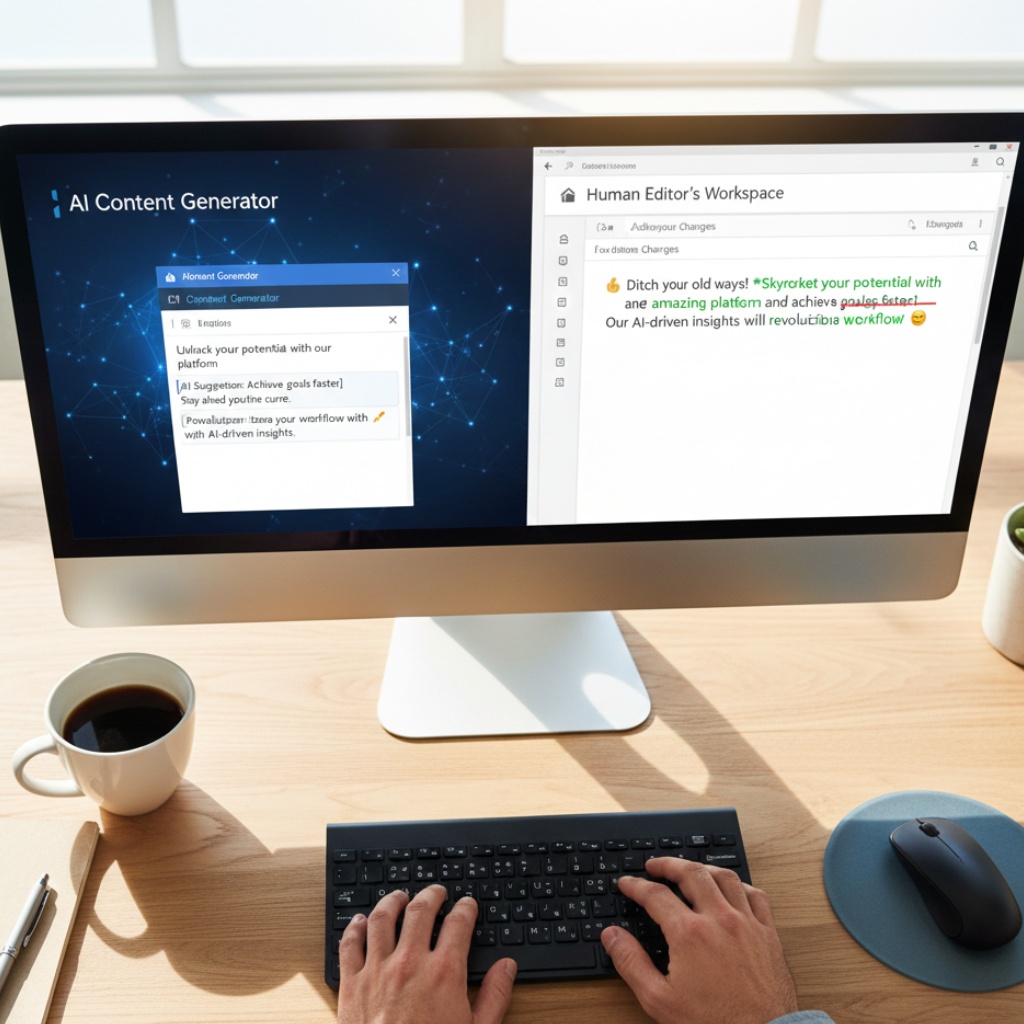
AI writing tools have gotten scary good. I use them myself sometimes for first drafts. But and this is important, they need a human editor who knows what they’re doing.
I’ve seen companies try to automate their entire blog with AI. The content reads fine at first glance. Then you notice it’s saying the same thing five different ways. Zero personality. No actual insights.
Use AI for content outlines, headline variations, meta descriptions. Don’t use it to replace someone who actually knows your product and customers.
Predictive Analytics for Campaign Planning
This is where AI really shines. Predictive analytics can forecast which campaigns will perform well before you spend the budget.
Last quarter, we used an AI model to analyze historical campaign data and predict ROI for different audience segments. It told us to cut our Facebook ad spend by 60% and reallocate to Google search ads.
I was skeptical. Our marketing manager almost quit over it. We ran the test anyway.
The AI was right. CPA dropped by 41%. Sometimes you just have to trust the math, even when it contradicts your “marketing intuition.”
Chatbots That Don’t Make People Want to Scream
Modern AI chatbots powered by natural language processing are actually helpful now. Not like those terrible “press 1 for sales” things from 2015.
The key is knowing what they’re good for. Chatbots excel at:
- Answering basic questions 24/7
- Qualifying leads before they hit your sales team
- Booking demos or calls automatically
- Handling returns and simple support issues
What they suck at: anything requiring empathy, complex problem-solving, or dealing with angry customers. Route those to humans immediately.
The Dark Side Nobody Warns You About
Okay, real talk. AI marketing tools have some serious problems that vendors won’t mention in their demos.
The Data Quality Problem
AI is only as good as your data. And let’s be honest, most company’s data is a mess.
I once spent two weeks troubleshooting why our AI segmentation model was producing garbage results. Turns out, our CRM had duplicate customer records, outdated email addresses, and someone had marked 3,000 leads as “interested” in 2019 and never updated them.
Clean your data first. Then worry about AI. Otherwise you’re just getting really sophisticated garbage recommendations.
The “Black Box” Issue
Most AI marketing platforms don’t tell you why they’re making recommendations. They just say “do this, trust us.”
That’s fine until your CMO asks “why are we spending $50K on this channel?” and your answer is “the AI said so.” Not a great look in budget meetings.
Find tools that show their reasoning. Or at least track everything obsessively so you can prove ROI.
The Cost Creep
AI marketing tools love to start cheap and then hit you with usage fees. We signed up for an AI email tool at $99/month. Six months later, we’re paying $1,200/month because of “additional features” and “API calls.”
Read the fine print. Understand the pricing model. Budget for growth.
Real-World Examples That Actually Worked
Let me share three cases where AI marketing actually delivered, not just in theory:
E-commerce Abandoned Cart Recovery: An online furniture store used AI to analyze why customers abandoned carts. The system found that 40% of abandonments happened when shipping costs appeared. They implemented dynamic AI-powered discount offers at checkout. Recovery rate went from 12% to 31%.
B2B Lead Scoring: A SaaS company I consulted for used AI to score inbound leads. The old system was basically “did they download a whitepaper?” The AI looked at 30+ signals including LinkedIn profile, company size, website behavior, and email engagement. Sales team closed 28% more deals by focusing on AI-scored hot leads.
Social Media Ad Optimization: Retail brand used AI to automatically adjust ad creative and targeting in real-time. Instead of running A/B tests for weeks, the system optimized hourly. Cost per acquisition dropped 35% in the first month.
These worked because they solved specific problems, not because someone thought “we need AI.”
How to Actually Get Started (Without Wasting Money)
Don’t start by buying expensive enterprise AI platforms. Start small.
Pick one specific problem. Maybe it’s email subject lines. Or ad targeting. Or customer segmentation. Find an AI tool that solves that specific thing.
Test it for 90 days. Track everything. If it works, expand. If it doesn’t, you learned something without betting the farm.
Here’s my recommendation path:
- Start with AI-powered analytics (understand your data first)
- Add predictive tools for campaign planning
- Implement AI for content optimization
- Only then consider full marketing automation platforms
Most companies do this backwards and wonder why their $50K AI platform isn’t delivering results.
The Honest Truth About AI Marketing in 2025
AI isn’t going to replace marketers. But marketers who use AI will replace marketers who don’t.
I know that sounds like LinkedIn motivation garbage, but I’ve seen it happen. The marketing teams winning right now are the ones using AI to handle the repetitive analysis and optimization, freeing up humans to do the creative and strategic work.
AI finds patterns. Humans make meaning from those patterns.
If you’re in marketing and haven’t experimented with AI tools yet, start this week. Not next quarter. Not after the next budget cycle. This week.
Pick one small thing, test it, learn from it. Because your competitors definitely are.
Want to Go Deeper?
If you’re interested in how AI is transforming other business functions, check out these related guides:
- AI in E-Commerce for more on personalization and recommendations
- AI for Data Analysis to understand how to process marketing data at scale
- Natural Language Processing for the tech behind chatbots and content analysis
And if you want the big picture on how AI is changing everything, start with our complete guide to Artificial Intelligence and Machine Learning.