Flagship Smartphone Reviews: What $1,200 Actually Gets You in 2025
This article is part of our comprehensive guide on Smartphones and Mobile Technology. For everything you need to know about picking the right phone, head over to the main guide.
Look, I’ve dropped $1,000+ on flagship phones more times than I’d like to admit. Sometimes they’re worth every penny. Other times? I’m staring at my receipt wondering why I didn’t just buy last year’s model for half the price.
Here’s the thing about flagship phones in 2025: they’ve gotten really good at hiding their compromises behind impressive spec sheets. A phone can have a 200MP camera and still take worse photos than a three-year-old iPhone in certain lighting. I learned this the hard way at my sister’s wedding.
So let’s cut through the marketing BS and talk about what these premium devices actually deliver.
What Makes a Phone “Flagship” Anyway?
Real talk: the word “flagship” has gotten watered down. Every manufacturer slaps it on their most expensive model, but that doesn’t tell you much.
From my testing over the past year, a true flagship in 2025 needs to nail these things:
A processor that doesn’t thermal throttle during basic tasks. I’m talking sustained performance, not just impressive benchmark scores that tank after 30 seconds. The Snapdragon 8 Gen 3 actually handles this well, but I’ve seen some phones with it still overheat because of poor thermal design.
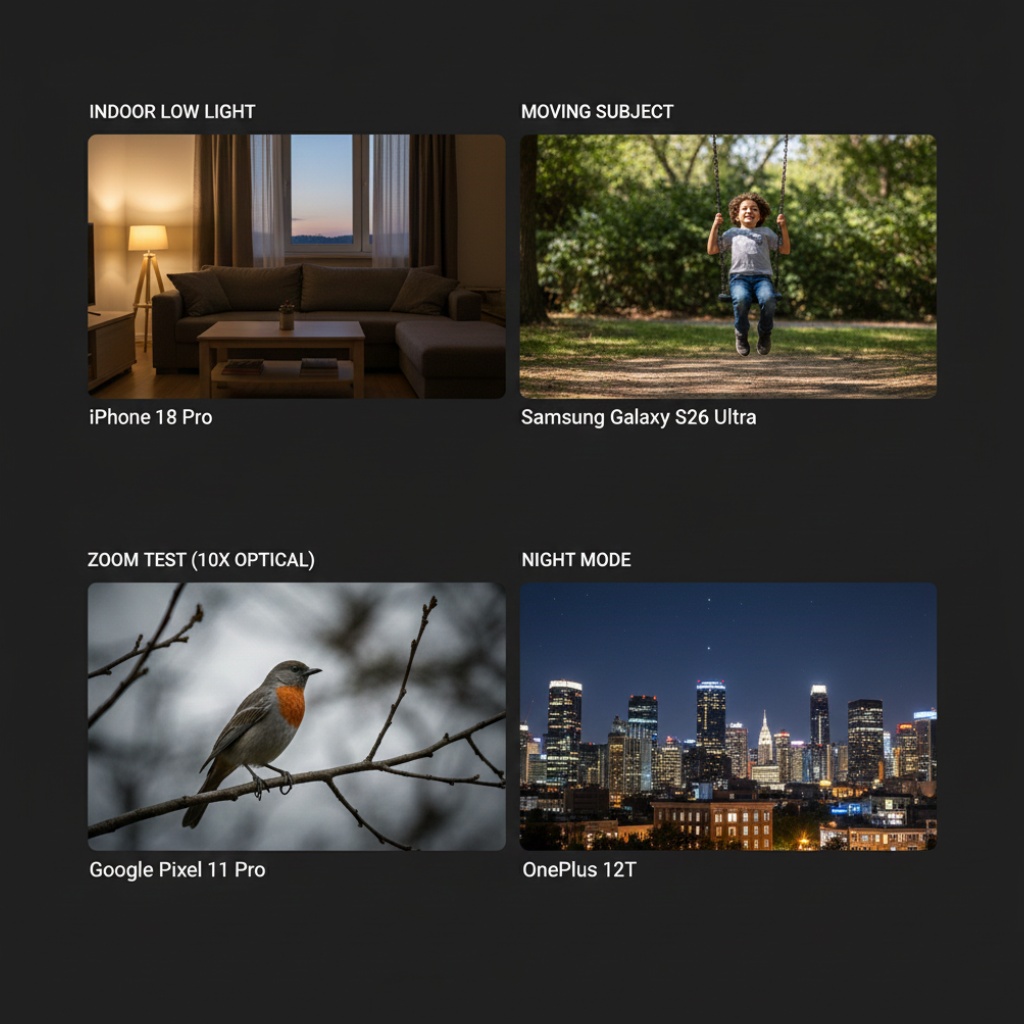
Camera systems that work in real conditions, not just lab tests. Give me a phone that takes decent photos of my fidgety nephew in mediocre indoor lighting over one that captures stunning sunset shots but blurs everything that moves.
Software updates for at least four years. Buying a $1,200 phone that stops getting security patches after two years? That’s just insulting.
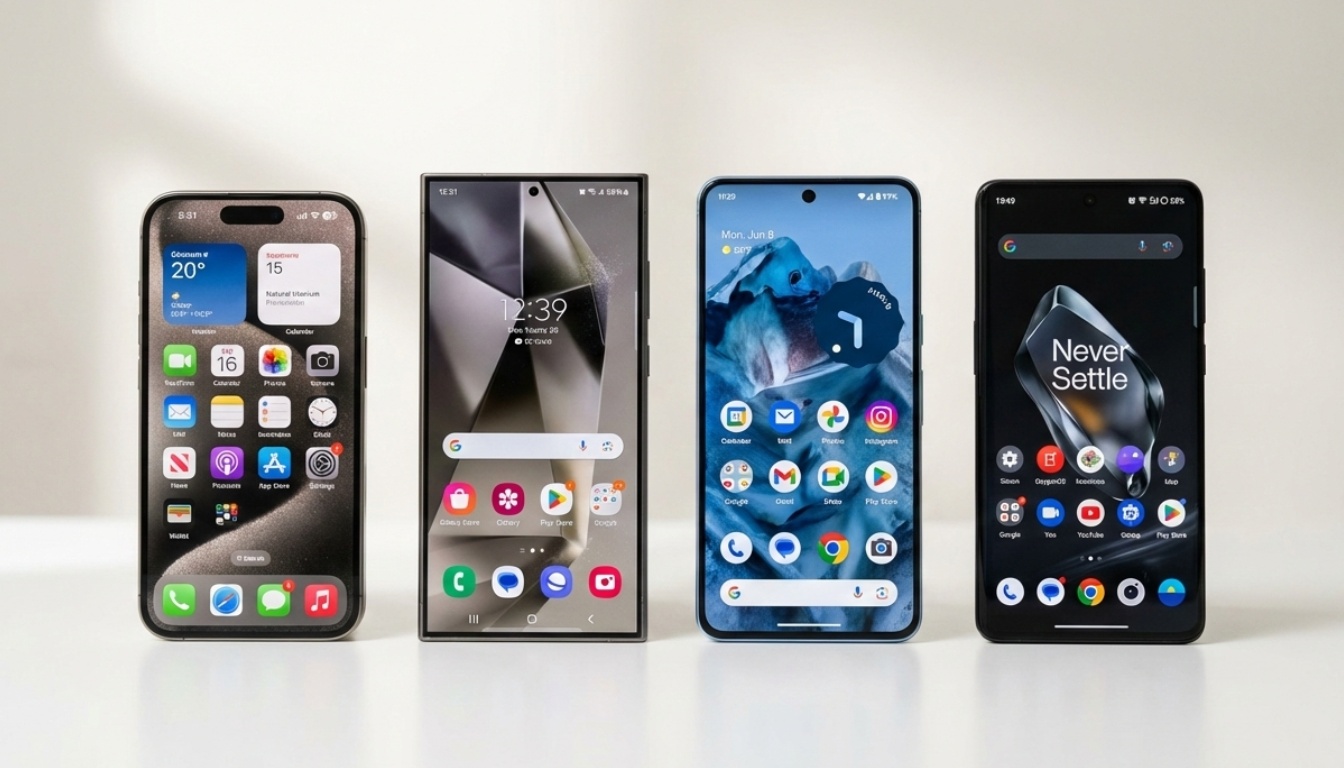
Apple iPhone 15 Pro Max: The Reliable Overachiever
I’ll start with the obvious one. The iPhone 15 Pro Max is what I recommend when people ask “what’s the safest bet?”
What Works: The A17 Pro chip is stupid fast. I’ve been running it for six months, and it hasn’t slowed down once. Gaming, video editing, whatever. It just handles it.
The camera system is genuinely impressive this year. That 5x telephoto lens actually gets used, unlike the previous versions that felt like afterthoughts. I took photos at a concert last month, and they came out sharp enough to see individual guitar strings from 30 rows back.
Battery life finally doesn’t suck. I’m getting a full day with heavy use, which is all I ask for. Previous Pro Max models would die by dinner if I was using the camera a lot.
What Doesn’t: USB-C is here, but it’s USB 2.0 speeds on the regular iPhone 15. Apple being Apple. You need the Pro model for the faster transfer, which feels like a cash grab.
The titanium frame scratches easier than the old stainless steel. Mine already has a few dings, and I’m not rough with my phones. Not a dealbreaker, but don’t expect it to stay pristine.
iOS 17 still doesn’t let you place apps where you want on the home screen without weird gaps. In 2025. Come on.
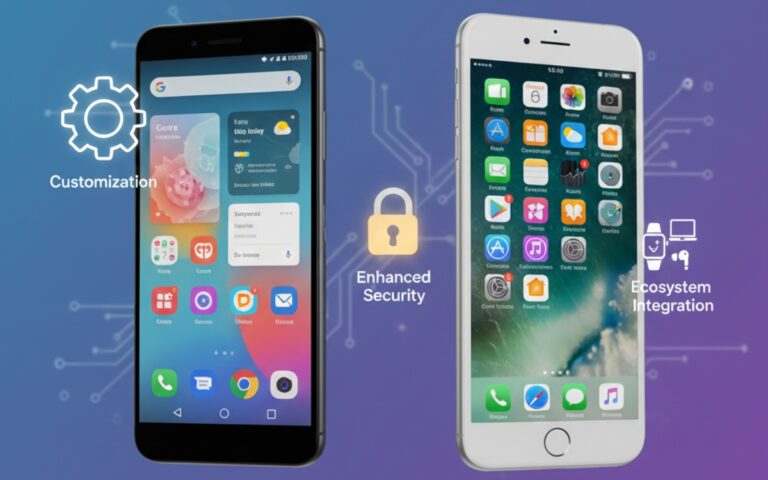
The Verdict: If you’re already in the Apple ecosystem, this is a no-brainer upgrade from anything older than the iPhone 13 Pro. If you’re on Android? The switch is easier now, but you’re still giving up a lot of customization.
Samsung Galaxy S24 Ultra: The Everything Phone
I switched to the S24 Ultra as my daily driver in March. It’s still the most “complete” phone you can buy, assuming you can handle the size.
The Good Stuff: That S Pen remains genuinely useful. I sketch out quick diagrams for articles, sign documents, and take handwritten notes during calls. It’s one of those features that seems gimmicky until you have it, then you miss it on every other phone.
The display is incredible. 6.8 inches, 120Hz, bright enough to use in direct sunlight. Watching videos on this thing makes other phones look dim and washed out.
The camera zoom is absurd. 100x Space Zoom is marketing nonsense, but the 10x optical zoom actually produces usable photos. I got decent shots of a bird in a tree across my yard, which would’ve been impossible on most phones.
The Not-So-Good: One UI 6 is better than previous versions, but it’s still bloated. Samsung includes so many duplicate apps and services that the first thing I do is spend 20 minutes disabling stuff. There’s a Samsung app for everything, whether you want it or not.
Battery life is merely okay for a phone this size. I expected better with that 5,000mAh capacity. Some days I’m reaching for a charger by 7 PM, which shouldn’t happen on a phone this big.
The price is getting ridiculous. Starting at $1,299, you’re paying Apple money for Android flexibility. Worth it if you use all the features, but that’s a lot to ask.
Real World Take: This is the phone I grab when I need to do actual work on a mobile device. Editing photos, responding to long emails, taking meeting notes with the S Pen. It’s a productivity beast. But for casual use? It’s overkill and you might be happier with the regular S24.
Google Pixel 8 Pro: The Software Showcase
I tested the Pixel 8 Pro for two months last fall. Google finally built hardware that matches their software ambitions.
What’s Great: The camera processing is still magic. You point, you shoot, and it comes out looking better than it should. Google’s computational photography is like having a professional photo editor built into the camera app.
Seven years of updates. SEVEN. That’s unheard of in Android, and it makes the $999 price tag easier to justify. Your phone will be secure and functional until 2030.
The Tensor G3 chip handles AI features locally, which means photo editing and voice-to-text actually work without needing an internet connection. Came in handy when I was traveling in areas with spotty coverage.
The Problems: The Tensor G3 gets warm. Not dangerous, but noticeably warmer than Snapdragon phones during normal use. Playing games for more than 20 minutes and you’ll feel it.
Battery life is the Pixel’s eternal weakness. The 8 Pro is better than previous models, but it’s still behind iPhone and Samsung flagships. I’m charging this daily, sometimes twice if I’m using it heavily.
The in-display fingerprint sensor is slower than Samsung’s ultrasonic version. It works fine, but there’s a noticeable delay that gets annoying when you unlock your phone 100 times a day.
Bottom Line: Get this if you want the pure Android experience with the best camera processing you can buy. Skip it if you game a lot or need all-day battery life without thinking about it.
For more detailed camera comparisons, check out our guide on Best Smartphones for Photography.
OnePlus 12: The Value Flagship
OnePlus used to be the budget flagship killer. They’re not budget anymore, but the OnePlus 12 at $799 is still hundreds less than the competition while matching most of their specs.
Why It’s Worth Considering: The Snapdragon 8 Gen 3 performs identically to the version in phones costing $500 more. OnePlus didn’t skimp on the processor, and it shows. This thing flies.
The 5,400mAh battery actually lasts. I’ve gotten two full days of moderate use multiple times. That’s rare even among flagships.
100W wired charging is insanely fast. Zero to 100% in under 30 minutes. Once you experience this, regular charging feels like watching paint dry.
The Compromises: The camera system is merely good, not great. It takes fine photos in most conditions, but it can’t compete with the Pixel or iPhone in tricky lighting. If photography is priority one, look elsewhere.
OxygenOS 14 is cleaner than Samsung’s One UI but still includes more bloat than I’d like. At least you can uninstall most of it.
Wireless charging maxes out at 50W, which sounds fast until you try to use a non-OnePlus charger and it drops to 15W. The proprietary charging ecosystem is annoying.
The Real Story: This is what I recommend when someone wants flagship performance without flagship prices. You’re making camera and ecosystem sacrifices, but you’re saving $400+ dollars. That’s a fair trade for most people.
The Specs Nobody Talks About
Here’s what actually matters after owning these phones for months:
Haptics. Bad vibration motors make every interaction feel cheap. Apple and Samsung nail this. OnePlus and Google are just okay. You notice it every time you type.
Thermal management. Powerful processors mean nothing if your phone throttles after five minutes of use. The iPhone stays coolest, Samsung is close behind.
Software bugs. Every phone ships with bugs these days. What matters is how fast manufacturers fix them. Apple is fastest, Google is inconsistent, Samsung takes forever, OnePlus is hit-or-miss.
Which Flagship Should You Actually Buy?
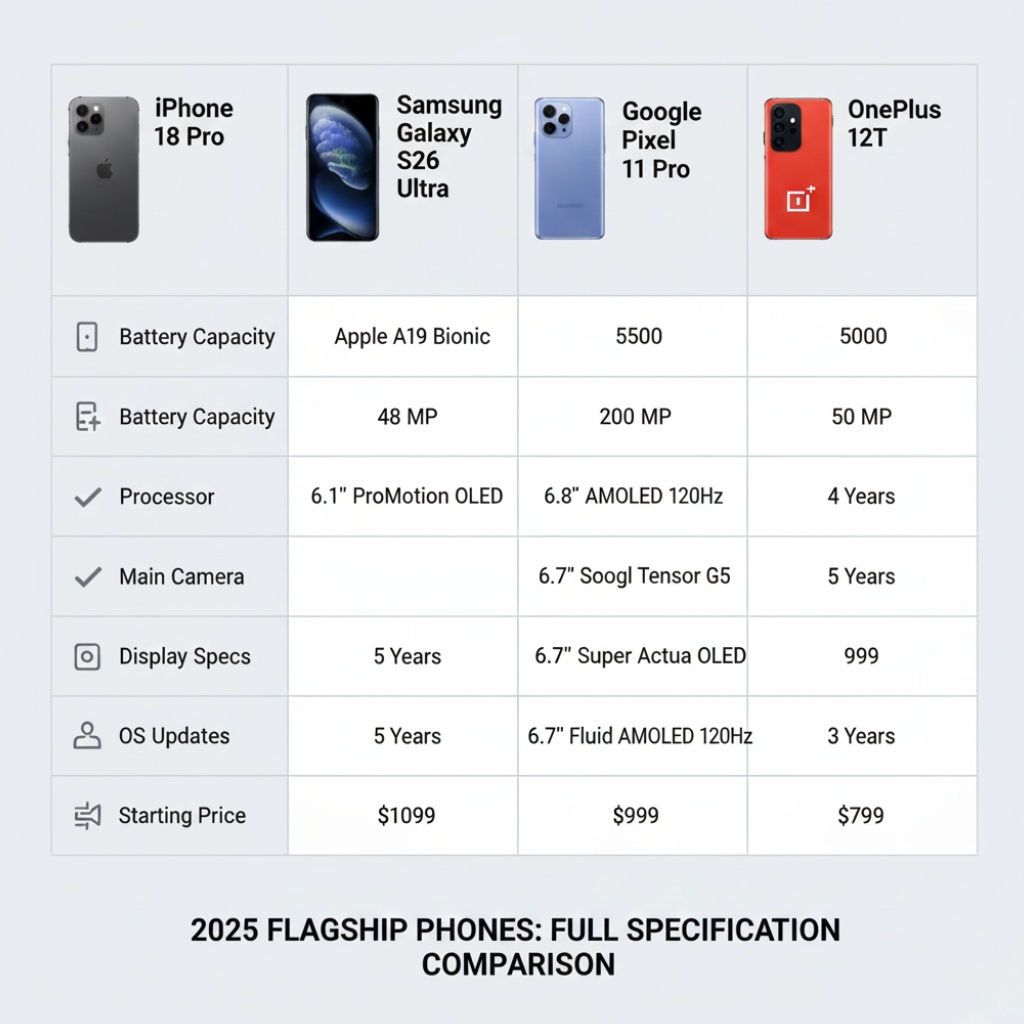
After testing all of these, here’s my honest take:
Get the iPhone 15 Pro Max if you want the safest, most polished experience and you’re already using other Apple devices.
Choose the Galaxy S24 Ultra if you need maximum versatility and don’t mind spending for it. The S Pen alone justifies the price for some people.
Pick the Pixel 8 Pro if camera quality and clean software matter more than raw performance or battery life.
Grab the OnePlus 12 if you want 90% of flagship performance for 60% of the price and can live with a merely good camera.
The Truth About Flagships in 2025
Look, any of these phones will serve you well for years. The gap between them is smaller than the marketing would have you believe.
I currently have the Galaxy S24 Ultra in my pocket, but I wouldn’t blame you for choosing any of the others. They’re all good enough that it comes down to ecosystem preference and which compromises you’re willing to accept.
The biggest mistake? Buying a flagship phone and upgrading every year. These devices are built to last 3-4 years now. Use them that long and they’re actually a decent value.
Want to know if you even need a flagship? Check out our Best Budget Smartphones guide. Mid-range phones have gotten scary good, and you might be surprised at what $500 gets you these days.
Still not sure which direction to go? Our complete Smartphone Buying Guide breaks down exactly how to choose based on your actual needs, not what reviewers think you should want.