Best Budget Smartphones: Actually Good Phones Under $400
Look, I get it. Not everyone wants to drop $1,200 on the latest flagship. I didn’t for my last three phones, and honestly? I don’t feel like I’m missing much.
Here’s what actually happens when you buy a budget smartphone in 2025: you get 90% of the flagship experience for about 30% of the price. The gap has closed dramatically in the last two years. I’m talking phones with 120Hz displays, decent cameras, and processors that don’t make you want to throw your device across the room.
But here’s the thing nobody tells you: not all budget phones are created equal. Some are genuinely great. Others are penny-wise and pound-foolish disasters that’ll have you rage-upgrading in six months.
Let me save you from making the mistakes I’ve seen friends and family make.
What “Budget” Actually Means in 2025
Before we get into specific phones, let’s set expectations. When I say budget, I’m talking about phones between $200 and $400. Below $200, you’re making serious compromises. Above $400, you’re in mid-range territory and competing with last year’s flagships.
This article is part of our comprehensive guide on Smartphones and Mobile Technology. For everything from flagship reviews to mobile security tips, check out the full guide.
The sweet spot? Right around $300-350. That’s where manufacturers actually try instead of just checking boxes to hit a price point.
The Budget Champions Right Now

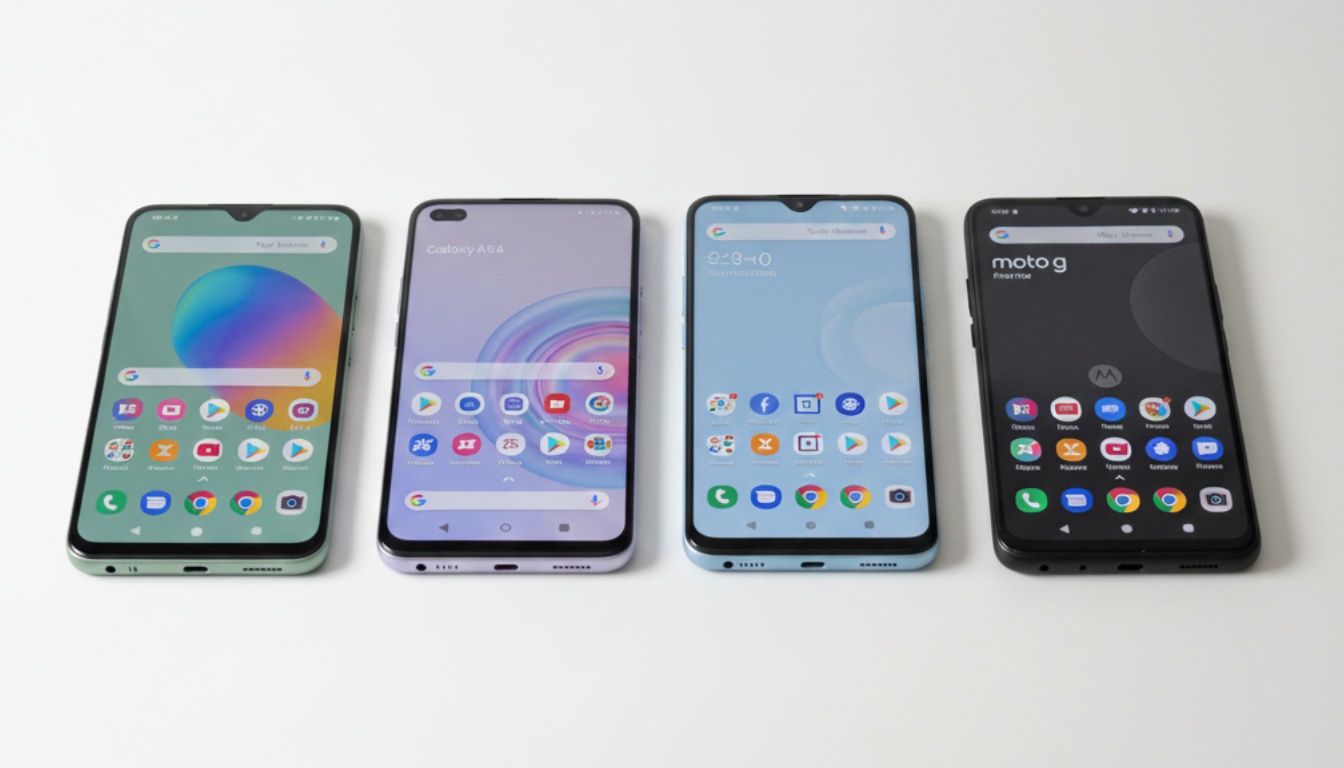
Google Pixel 8a ($499… But Wait)
Okay, I’m cheating a bit here. The Pixel 8a is technically $499, but I’ve seen it for $349 during sales at least three times in the past two months. Set up a price alert.
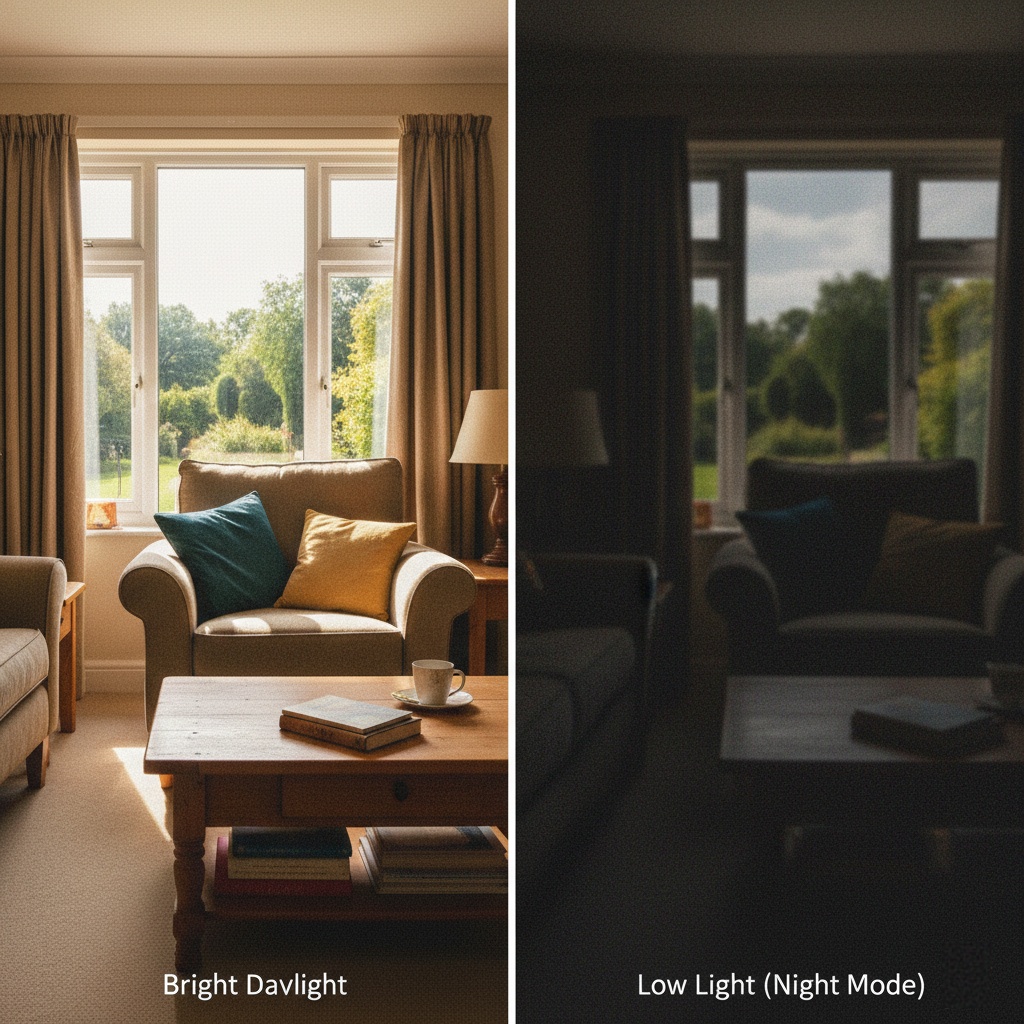
Why do I love this phone? The camera. Google’s computational photography is insane at this price point. I took side-by-side photos with my friend’s iPhone 15 Pro last weekend. In good lighting, I honestly couldn’t tell the difference. In low light, the Pixel sometimes won.
Real talk: the Tensor G3 chip isn’t winning any speed contests. Gaming isn’t this phone’s strong suit. But for everyday stuff? Taking photos, browsing, social media? It’s smooth enough that you’ll forget you’re using a “budget” device.
The seven years of OS updates is the real kicker though. That’s longer than most people keep their phones anyway.
Samsung Galaxy A54 5G ($449, often $379 on sale)
Samsung’s A-series has gotten good. Like, really good. The A54 has a 120Hz AMOLED display that makes scrolling feel premium. The 50MP main camera is solid, and Samsung’s image processing has improved enough that you’re not dealing with the oversaturated mess from a few years ago.
Battery life is excellent. I’m talking easy day-and-a-half with moderate use. The 5,000mAh battery isn’t revolutionary on paper, but Samsung’s optimization is on point.
The catch? Samsung’s bloatware is still annoying. You’ll spend your first hour disabling apps you’ll never use. And while you get four years of OS updates, that’s still not as good as Google’s commitment.
If you want more details on Android optimization and which bloatware is safe to remove, check out our guide to smartphone performance tips.
OnePlus Nord N30 ($299)
This is my dark horse pick. OnePlus used to be the budget flagship killer brand before they got too big for their britches. The Nord line is their return to roots.
The N30 has a 108MP camera that’s… fine. Not great, just fine. But it’s got 8GB of RAM standard, which is genuinely impressive at this price. Multitasking doesn’t feel like you’re asking the phone to do calculus in its head.
OxygenOS (OnePlus’s Android skin) is clean. It’s fast. It doesn’t get in your way. Coming from a Pixel, I barely noticed the difference.
The downside is updates. OnePlus promises two years of OS updates and three years of security patches. That’s not terrible, but it’s not great either. If you’re someone who keeps phones for 4-5 years, look elsewhere. For our detailed breakdown of which brands offer the longest support, visit our article on smartphones with longest software support.
Motorola Moto G Power 5G (2024) ($299)
Motorola’s been making solid budget phones for years, but they fly under the radar because… well, they don’t spend billions on marketing.
The G Power’s claim to fame is battery life. The 5,000mAh battery combined with an efficient processor means I’ve seen people get two full days out of this thing. My colleague uses one for work, and she charges it every other night.
The camera is mediocre. Let’s not sugarcoat it. In good light, you’ll get usable photos. In anything less than ideal conditions, you’re getting grainy, soft images. But if your priority is a phone that just won’t die, this is it.
Pure Android experience is a plus. Motorola doesn’t mess with the OS much, which means fewer headaches and faster updates than you’d expect from a non-flagship.
What You’re Actually Sacrificing
Let’s be real about what you give up at this price point.
Camera Versatility: Budget phones typically have one good camera and 2-3 useless ones for marketing. That “48MP macro lens” is garbage. You’re getting a solid main camera and nothing else worth using. For tips on maximizing your budget phone’s camera, see our smartphone camera tips guide.
Wireless Charging: Most budget phones skip this. You’re going back to cables. Not the end of the world, but if you’ve gotten used to just dropping your phone on a charging pad, you’ll miss it.
Water Resistance: You might get a splash-resistant coating, but full IP68 water resistance? That’s flagship territory. Don’t take your budget phone swimming.
Premium Build Quality: Glass backs and metal frames cost money. You’re getting plastic. Nice plastic, but plastic. Get a case. Seriously.
Ultra-Fast Charging: Budget phones charge at 18W-33W. Flagship phones are pushing 65W-100W. You’ll wait longer for a full charge. I don’t lose sleep over this one, but some people do.
The Mistakes I See People Make
Mistake 1: Buying Too Cheap
I watched my sister buy a $150 no-name Android phone from Amazon. It was slow on day one. Six months later, it was unusable. False economy. Spend the extra $100-150 for a known brand.
Mistake 2: Ignoring Storage
People buy the 64GB model to save $50, then spend the next two years fighting storage warnings and deleting apps. Get 128GB minimum. It’s worth it.
Mistake 3: Carrier Bloatware Phones
Buying directly from carriers often means you’re getting a phone loaded with unremovable junk. Buy unlocked when possible. You’ll thank me later.
Mistake 4: Not Considering Used Flagships
Here’s what I actually tell friends: a two-year-old flagship often beats a new budget phone. A used Galaxy S22 or Pixel 7 for $350-400 will likely give you a better experience than a new budget device. Check our guide to refurbished and second-hand smartphones for safe buying tips.
What Actually Matters for Most People
After watching dozens of people use budget phones, here’s what actually affects daily happiness:
Battery life matters more than specs. I don’t care if a phone benchmarks 20% faster if it dies by 3 PM.
Camera quality in bad lighting matters. Everyone takes photos indoors and at night. That’s where budget phones struggle most.
Software updates matter for security. That phone needs to stay secure for at least 2-3 years. Brands that abandon updates are doing you dirty.
Responsiveness matters more than raw power. A well-optimized “slower” phone feels better than a powerful but bloated one.
The Bottom Line
If I had to recommend just one phone to most people? The Pixel 8a when it’s on sale for $350. It’s the most balanced package: great camera, guaranteed updates, smooth performance.
But if you need the absolute longest battery life, the Moto G Power is tough to beat. If you want a big, beautiful screen for media, the Galaxy A54 wins. If you want the best multitasking in this price range, go OnePlus Nord N30.
There’s no perfect budget phone. But there are several damn good ones. The key is knowing what you actually use your phone for and choosing accordingly.
I upgraded my mom from a dying iPhone 8 to a Pixel 7a last year (previous gen, got it for $325). She’s been taking better photos than I am with my more expensive phone, and she couldn’t be happier. Sometimes that’s all the endorsement you need.
Got specific questions about any of these phones? Need help deciding between models? Drop a comment. I’ve probably already helped someone with the exact same decision.
For more smartphone buying advice, check out our complete smartphone buying guide.