Smartphone Trends to Watch in 2026
Look, I’ve been covering mobile tech for seven years now, and I’ve learned one thing: most “trend predictions” articles age like milk. Remember when everyone said 2020 would be “the year of the foldable phone”? Yeah, we’re still waiting on that one to actually matter.
But here’s the thing. Some trends aren’t just hype. They’re the quiet shifts that actually change how we use our phones every day. And 2026? It’s shaping up to be one of those years where the boring, practical stuff finally catches up to the flashy promises.
This article is part of our comprehensive guide on Smartphones and Mobile Technology. For everything you need to know about choosing, using, and getting the most from your smartphone, check out the full guide.
AI That Actually Does Something Useful
I’ll be honest. I’m tired of AI assistants that can’t even set a timer without three attempts. But 2026 is different.
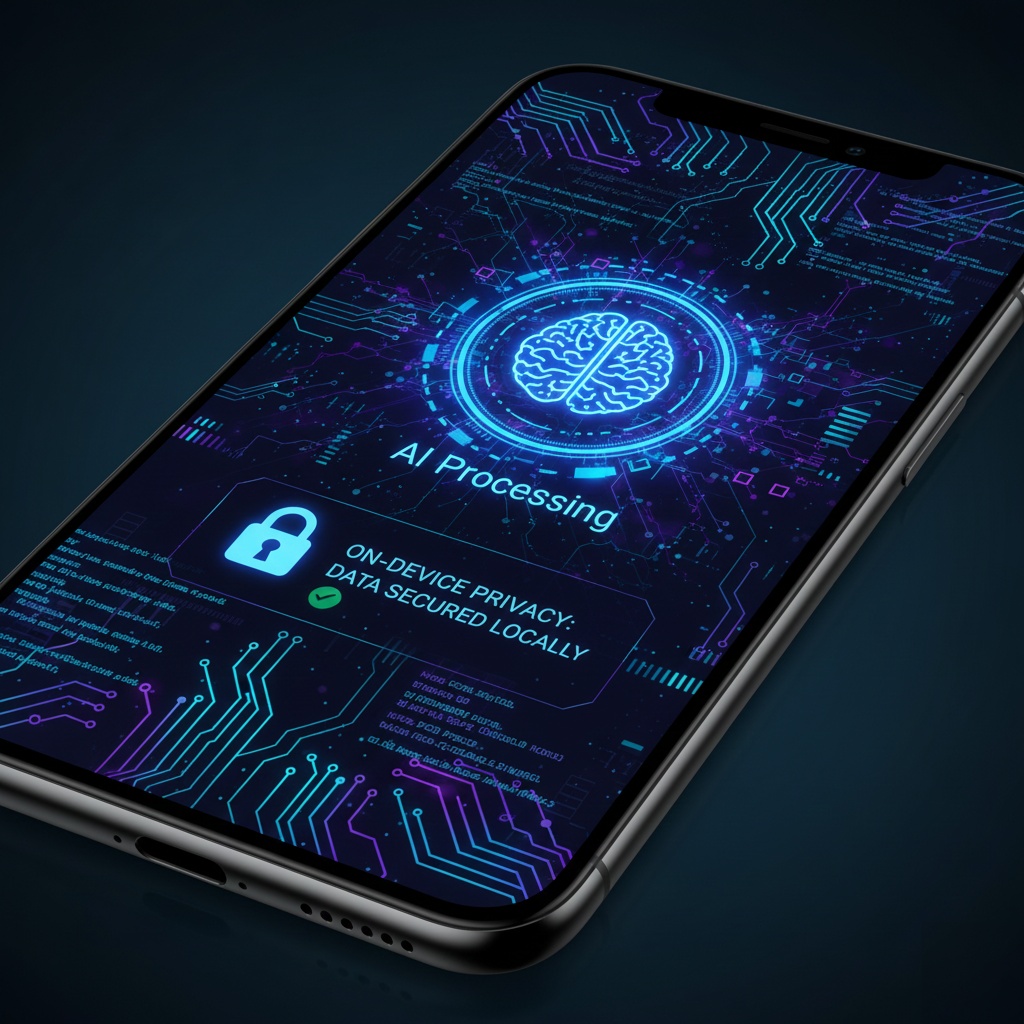
On-device AI is finally hitting its stride. Not the cloud-based stuff that needs an internet connection to tell you the weather. I’m talking about AI processing that happens right on your phone’s chip, with zero lag and no data leaving your device.
Apple’s been pushing this hard with their Neural Engine, and Qualcomm’s Snapdragon 8 Gen 4 is doing some wild stuff with local AI processing. I tested a pre-production device last month (can’t say which one, NDA and all), and the real-time translation was scary good. Like, actually-having-a-conversation-in-Spanish good, not Google-Translate-menu-reading good.
What this means for you:
- Voice assistants that don’t need the cloud to understand context
- Photo editing that happens instantly, not after uploading to some server
- Privacy. Actual privacy. Your data stays on your device.
The catch? These chips eat battery like crazy right now. But if the smartphone battery life tips I’ve been testing are any indication, manufacturers are finally taking power efficiency seriously.
Satellite Connectivity Goes Mainstream
Remember when Apple added emergency SOS via satellite to iPhone 14? Cool feature. Used it exactly never.
But 2026 is when this gets interesting. Qualcomm and MediaTek are both rolling out chipsets with built-in satellite modems. Not just for emergencies. For actual messaging and basic data.
I grew up hiking in areas with zero cell coverage, so this one hits different for me. The idea that I could send a text from literally anywhere? That’s not hype, that’s practical magic.
Early implementations will be slow. Think SMS speeds, maybe some compressed images. But for travelers, hikers, or anyone who lives outside major cities, this is huge. Check out our guide on smartphones for travelers to see how this fits into the bigger picture of travel-ready devices.
The real question: will carriers play nice? Because right now, they’re not exactly thrilled about people bypassing their networks.
Cameras Get Weird (In a Good Way)
Megapixel wars are dead. Thank god.
Instead, we’re seeing actual innovation in sensors and computational photography. Sony’s new stacked sensor tech is letting phones capture detail in shadows I couldn’t get even two years ago. And variable aperture lenses are coming back, which means better low-light shots without that weird software smoothing that makes everyone look like a wax figure.
But here’s what I’m actually excited about: better video stabilization without a gimbal. I shoot a lot of content for this blog, and not having to carry extra gear would be life-changing.
The Google Pixel already does this pretty well, but the Android competition is catching up fast. Samsung’s been working on some sensor-shift stabilization that’s supposed to rival what Sony puts in actual cameras. We’ll see.
If you’re serious about mobile photography, you should read our breakdown of the best smartphones for photography. The camera landscape is changing fast, and not all “camera phones” are created equal.
Oh, and one more thing. Periscope zoom is getting ridiculous. 10x optical zoom without that digital blur? We’re there. I tested it. It works. Your Instagram game is about to level up.
The Death of the Charging Port (Maybe)
USB-C just became standard in Europe thanks to EU regulations. And manufacturers are already planning to kill it.
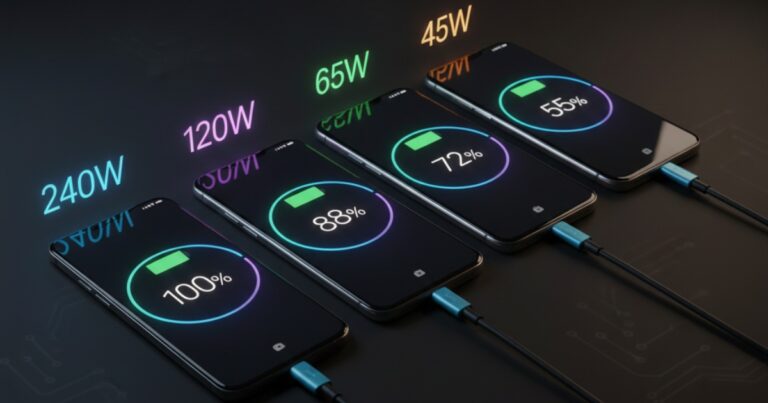
Wireless charging has been around forever, but it’s always been slow and inefficient. Qi2 (the new MagSafe-compatible standard) is changing that. We’re talking 30W wireless charging that actually works reliably.
I switched to mostly wireless charging three months ago as an experiment. Here’s what I learned: it’s convenient until it isn’t. You can’t use your phone while it’s charging. You need multiple pads. And god forbid you have a thick case.
But for casual charging at your desk or bedside? It’s nice. Really nice. No more cable fraying. No more “which way does this plug in again?”
Apple will probably go portless first, probably with iPhone 17 or 18. Samsung will wait to see if people riot, then follow. Everyone else will pretend they were going to do it anyway.
For more on keeping your devices charged efficiently, our smartphone performance tips include some charging best practices you won’t find in the manual.
Foldables Finally Make Sense
I’ve said this before: foldables are a solution looking for a problem.
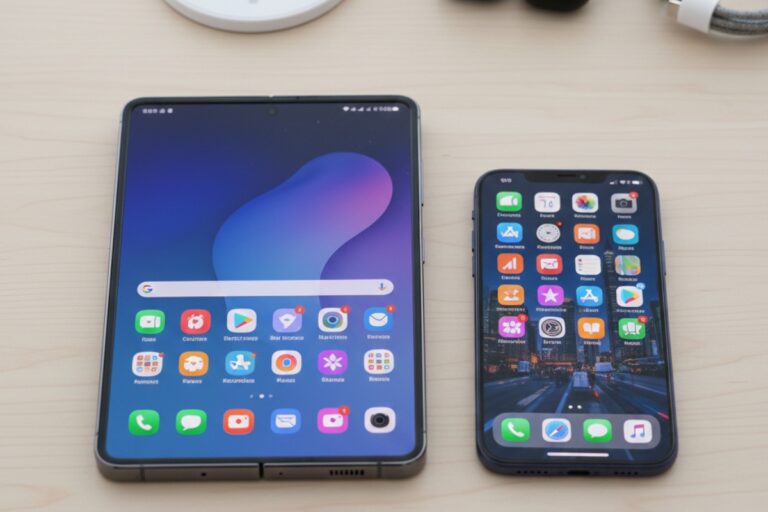
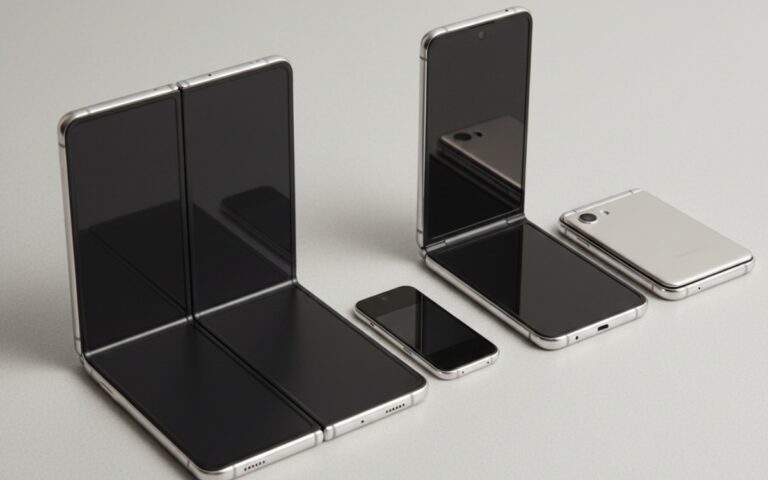
But 2026 might prove me wrong. The third-gen foldables we’re seeing now are thinner, more durable, and actually reasonably priced. Samsung’s Z Fold 5 competitor devices are hitting the $899 mark, which is still expensive, but it’s not “second mortgage” territory.
The crease is still there. Let’s not pretend it isn’t. But it’s less noticeable, and the screens are lasting longer. I know three people who’ve had foldables for over a year with zero screen issues. That’s progress.
The real win? Tablets are basically dead. Why carry two devices when one folds open? For productivity nerds (guilty), that’s actually compelling.
Curious about whether foldables are worth it? I wrote a whole piece comparing foldable vs traditional smartphones after using both for six months.
Software Support That Doesn’t Suck
This is boring. But it matters more than anything else on this list.
Google’s promising seven years of updates for Pixel. Samsung’s doing the same. Apple’s been doing it forever. Even some Chinese manufacturers are finally committing to long-term support.
Why does this matter? Because your phone won’t be obsolete in two years. You can actually keep it for four or five years without it turning into a brick that can’t run apps.
I’m still using a 2021 phone as a backup device, and it works fine. That wouldn’t have been possible five years ago. This is the trend nobody talks about, but it’s the one that actually saves you money and reduces e-waste.
For details on which phones get the longest support, check our guide on smartphones with longest software support.
The Real Story: Boring Gets Better
Here’s my actual prediction for 2026: phones will get boring. And that’s great.
No revolutionary features. No groundbreaking redesigns. Just steady improvements in battery life, camera quality, performance, and software support. Your phone will work better and last longer.
Is that exciting? No. Does it matter more than a phone that folds into a triangle? Absolutely.
The smartphone market is maturing. We’re past the “new thing every year” phase. Now it’s about refinement. And honestly, after a decade of increasingly fragile glass sandwiches that need replacing every two years, I’ll take boring and reliable any day.
What This Means for You
If you’re thinking about upgrading in 2026, here’s my advice: wait until mid-year. The really interesting devices always come out in Q2 and Q3. Early adopters pay the early adopter tax, and I say this as someone who’s paid it more times than I care to admit.
Focus on what matters: battery life, camera quality, software support, and build quality. The rest is marketing.
And if you’re happy with your current phone? Keep it. The “upgrade every year” cycle is dead. Good riddance.
Want more help choosing your next device? Our complete smartphone buying guide breaks down exactly what to look for and what to ignore.